Geopolitical Tensions Drive Shift in Economic Strategies and Energy Innovation
As supply chains shift due to geopolitical tensions, global leaders stress strengthening economic ties and innovation in battery technologies to sustain growth.
Overview
Amid global supply chain disruptions driven by geopolitical tensions, world leaders highlight the importance of diversifying economic ties and advancing energy technologies. The ongoing shift in manufacturing and investment strategies aims to mitigate risks, though questions about feasibility and regional impacts remain.
Facts
- Global business leaders convened in New Delhi for the Bloomberg New Economy Forum to discuss economic and supply chain diversification.
- Chrystia Freeland and Janet Yellen emphasize the need for the U.S. to strengthen economic ties with allies.
- Battery storage technology is under consideration to aid the transition to greater EV adoption.
- Rural areas in the U.S. feel inflation impacts more acutely.
Main narrative
Geopolitical Pressures and Supply Chain Realignment
As geopolitical tensions escalate, global business and political leaders convened at the Bloomberg New Economy Forum in New Delhi. Their agenda was centered on redrawing supply chains and investment plans to mitigate risks associated with geopolitical uncertainties. This forum, featuring luminaries such as former Canadian Deputy Prime Minister Chrystia Freeland and Former Treasury Secretary Janet Yellen, underscored the imperative for the United States to fortify economic ties with its allies.
Freeland, in her new book, highlights the inconsistency of the U.S. as an economic partner, calling for a more reliable and strategic approach—described as moving away from the role of an “unreliable boyfriend.” This perspective is crucial as the U.S. seeks to reassess its economic alliances in a rapidly changing global environment.
Innovations in Energy Technology
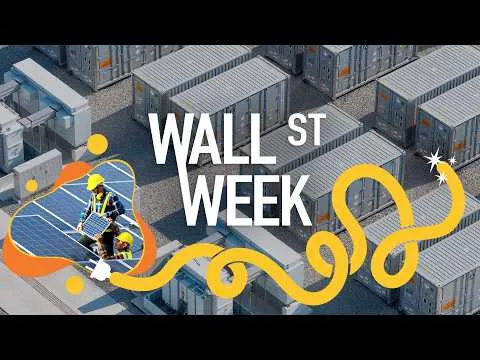
In addition to geopolitical realignments, the focus has intensified on technological advancements, particularly in energy storage. Innovations in battery storage are seen as pivotal for sustaining the momentum of the electric vehicle (EV) market. Given the significant number of factories invested in battery production, improvements in storage technologies could stabilize supply chains disrupted by geopolitical conflicts.
These technological shifts are not without challenges, as the scalability and efficiency of new battery technologies continue to be tested. The outcome of these advancements will significantly impact the trajectory of EV adoption and sustainability initiatives.
Localized Economic Impacts
While these global strategies take shape, their implications resonate differently across regions. In the U.S., inflationary pressures are hitting rural heartlands hardest, adding another layer of complexity. Farm communities, with limited capacity to absorb rising costs, face existential challenges.
Overall, the ongoing dialogues underscore a critical period of evaluation and adaptation, as countries navigate the interplay between local economic realities and global strategic necessities. Balancing these dimensions will be vital for ensuring both short-term resilience and long-term prosperity.
By integrating strengthened economic ties and innovative technologies, the global community aims to weather current uncertainties and lay the groundwork for a more stabilized economic future. Success, however, hinges on strategic execution and continuous adaptation to evolving geopolitical landscapes.
Context / evidence
The Bloomberg New Economy Forum in New Delhi gathered leaders to address redrawing global supply chains against geopolitical risks, showcasing a concerted effort among nations to adapt to evolving economic landscapes. Supporting this shift, prominent figures like Chrystia Freeland and Janet Yellen advocate for the U.S. to reinforce economic alliances, particularly highlighting the country's vulnerability as noted in Freeland's "Unreliable Boyfriend" perspective. Additionally, innovation in battery storage technology is presented as crucial for boosting the EV market amidst changing manufacturing strategies.
Counterpoint / knowledge gaps
The assumption that moving supply chains away from geopolitical hotspots is straightforward overlooks potential challenges, such as increased costs and logistical complications. There are also uncertainties around the scalability and efficiency of new battery storage technologies that aim to support the electric vehicle industry. Additionally, the level of impact these global shifts have on localized agricultural communities remains uncertain. Verification of these assumptions requires more empirical evidence from case studies and technological performance data.
Impact
The strategic shift in global supply chains and increased focus on economic alliances aim to reduce geopolitical vulnerabilities and promote sustainability. This could enhance economic resilience among participating countries. However, regions heavily reliant on traditional economies, such as agricultural sectors, may experience significant short-term challenges, with inflation exacerbating existing pressures. These changes could influence policy decisions regarding technology investments and educational reforms to prepare for future economic landscapes.
Outlook
The diversification of supply chains and strengthening of economic alliances are likely to continue as strategic priorities, influenced by geopolitical developments. The success of battery storage technologies will shape the EV industry's growth, with practical outcomes hinging on technological breakthroughs. Monitoring these transitions will show the potential realignment of global economic power and sustainability initiatives.