Balancing Inflation Control and Farmer Welfare Amid Fed Policies
As the U.S. Federal Reserve grapples with inflation, rural farmers express concerns about rising costs and diminishing returns, challenging the balance regulators hope to achieve.
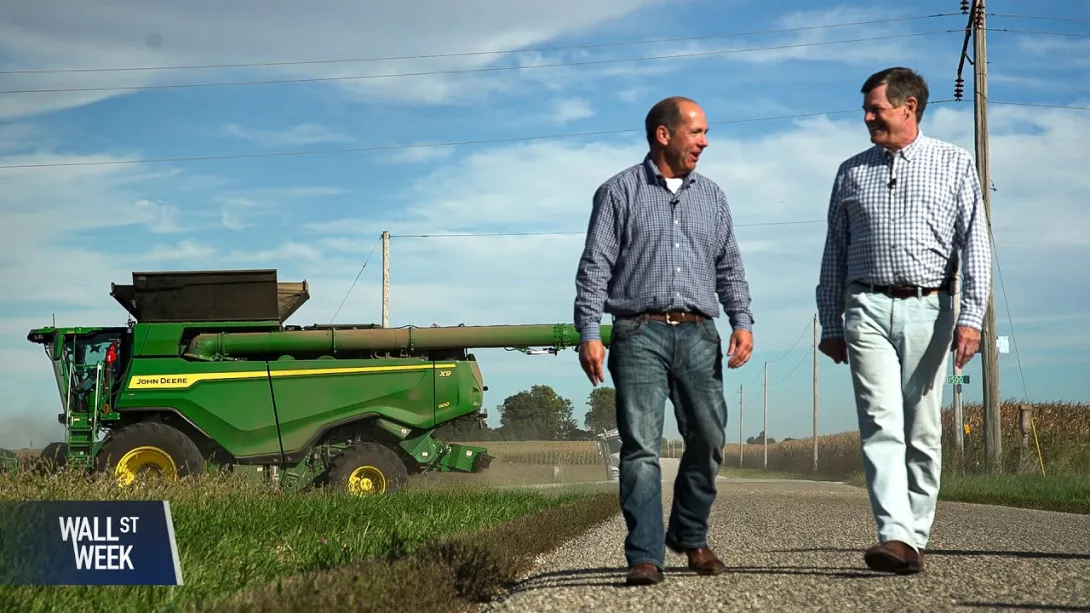
Overview
The U.S. Federal Reserve is working to address inflation, a task complicated by the potential negative impacts on American farmers. Farmers are facing lower crop prices and higher input costs, raising concerns about the balance between curbing inflation and maintaining a stable agricultural economy.
Facts
- Chicago Fed President Austan Goolsbee visited rural Illinois to speak with farmers.
- Farmers are experiencing rising input costs including fuel and fertilizer.
- Crop prices are currently lower, impacting farmers' income.
- The Federal Reserve is actively seeking ground-level economic insights to inform policy.
- These conversations may highlight inflation pressures not yet visible in national data.
Main narrative
The U.S. Federal Reserve faces a complex challenge as it seeks to manage inflation without casting a shadow over American agricultural producers. In a recent visit to rural Illinois, Chicago Fed President Austan Goolsbee engaged with farmers who are experiencing a squeeze from both sides: rising costs for necessary inputs like fuel and fertilizer, and simultaneously facing lower prices for their crops. This ground-level perspective from the agricultural sector provides crucial insights, as these inflation pressures might not yet be fully visible in national economic data.
Farmer Experiences Offer Initial Insight
Farmers have reported that their operational costs are dramatically increasing, cutting into profitability and creating significant concern over their long-term viability. The interactions between Goolsbee and these farmers underline a pressing risk: monetary policymaking aimed at curbing inflation might further hamper an already struggling sector if not handled delicately. Farmers are particularly sensitive to interest rates, which, if raised too quickly or too high, can stifle investment in necessary farming infrastructure and defer essential purchases.
The Broader Economic Picture
While these conversations offer valuable insights, they represent just a fragment of the broader challenges facing the nation. The Federal Reserve is tasked not only with curbing inflation but also with ensuring that any action taken does not inadvertently harm sectors dependent on stable economic conditions. This is a tightrope walk: aggressive policies to control inflation can lead to higher borrowing costs and reduced spending, which might decrease agricultural demand and prices even further.
Policy Implications and Future Directions
The Fed's current approach involves close monitoring of inflationary signals from a variety of sectors, using them to calibrate interest rate changes with precision. Insights gleaned from interactions with farmers will need to be balanced against other economic indicators to ensure a broad and effective policy response. Future Fed actions will have to carefully weigh the risks of rising interest rates against the economic health and sustainability of agricultural producers, who form a backbone of the rural economy.
Context / evidence
Chicago Fed President Austan Goolsbee's visit highlights the Federal Reserve's attempt to gain real-world economic insight from affected groups, such as farmers. By analyzing their specific challenges—rising input costs and decreasing crop prices—the Fed aims to devise strategies that could preempt and manage inflation scenarios. However, these farmer-specific financial pressures may not directly translate into broader economic actions.
Counterpoint / knowledge gaps
The primary challenge is whether the Federal Reserve can fine-tune monetary policy to effectively control inflation without inadvertently triggering a recession that could harm farmers further. The timing of interest rate changes and their immediate economic impacts remain uncertain. Additionally, while direct conversations with farmers provide valuable insights, the broader economic complexities may limit the applicability of these insights to national policy decisions.
Impact
The potential impact on farmers includes tighter profit margins and increased financial stress, which could affect rural economies at large. Further, if the Federal Reserve proceeds with aggressive measures to combat inflation, those depending on agricultural robustness might find themselves in a precarious financial position, leading to broader socio-economic challenges in rural areas. Ultimately, the way monetary policy unfolds could redefine the economic landscape for farmers, influencing both their short-term viability and long-term prosperity.
Outlook
The Federal Reserve's actions in the coming months will be crucial. If inflation continues unchecked, farmers might face even higher costs. Alternatively, aggressive rate hikes could reduce inflation but also depress agricultural demand, stressing farmers further. Monitoring consumer demand and the agricultural supply chain will be important indicators.