Northwell CEO Advocates for Health Care Model Overhaul
Northwell Health CEO highlights the need for a shift towards wellness and prevention in the US health care model.
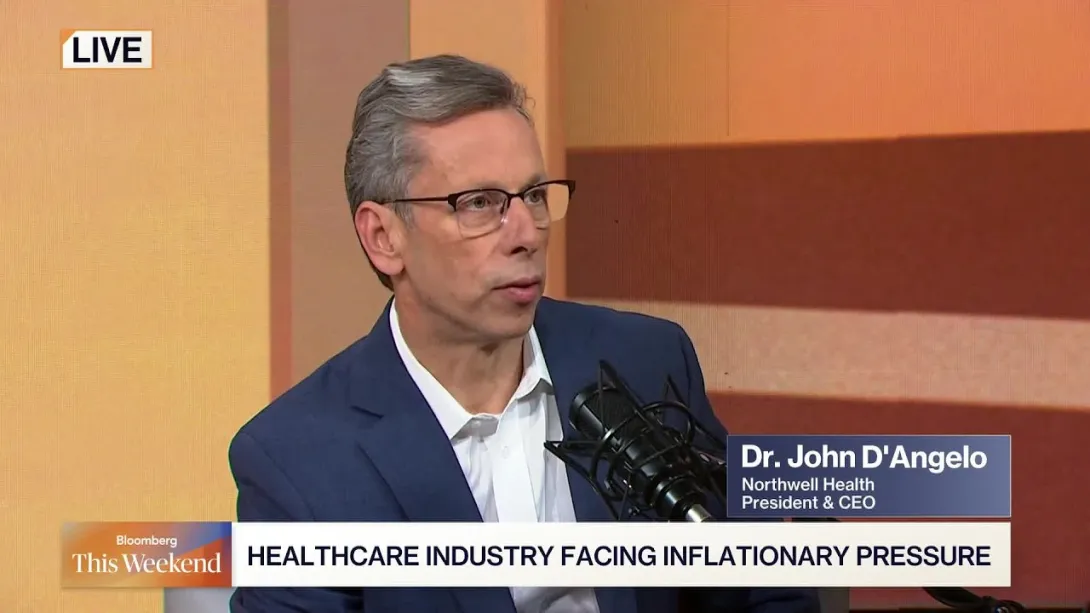
Overview
The US health care system's sustainability is at risk, says Northwell Health CEO, urging a shift towards wellness and prevention. This matters as it could reshape health outcomes and control costs.
Facts
- Dr. John D'Angelo is the CEO of Northwell Health.
- D'Angelo claims the current US health care model is unsustainable.
- There is a proposed shift towards wellness, prevention, and chronic disease management.
- Workforce shortages and financial pressures are significant issues facing nonprofit hospitals.
- Artificial intelligence is suggested as a potential solution to reduce administrative burdens in health care.
Main narrative
The President and CEO of Northwell Health, Dr. John D'Angelo, has articulated a pressing need for a comprehensive shift in the United States health care model. In a recent interview, D'Angelo emphasized the urgent requirement to pivot from a system predominantly built around acute disease treatment to one that prioritizes prevention and wellness. This shift, he suggests, is crucial to making health care more sustainable and affordable.
Addressing Unsustainable Financial Pressures
D'Angelo pointed out that the traditional model is placing unsustainable financial pressures on nonprofit hospitals. This concern is rooted in escalating costs and increasing workforce shortages. As the cost of medical supplies and labor continues to rise, nonprofit hospitals are struggling to balance their budgets, which ultimately affects their ability to deliver quality care. The CEO's comments reflect a broader concern that these financial strains could result in access disparities and declining health outcomes if left unaddressed.
Integrating AI to Ease Administrative Burdens
A significant part of D'Angelo’s proposed solution involves the integration of artificial intelligence (AI) within the health care system. By automating routine administrative tasks, AI could alleviate some of the financial and logistical pressures faced by health care providers. This could streamline operations, allowing medical professionals to focus more on patient care rather than administrative duties. However, the CEO also emphasizes that the human role in critical medical decision-making should remain paramount, ensuring a balance between innovation and personal patient care.
As health care systems worldwide are exploring how best to implement AI, D'Angelo's vision aligns with a growing trend recognizing its potential to optimize efficiency without compromising patient trust or the quality of care.
New Focus on Wellness and Prevention
The proposal to focus on wellness and prevention recognizes the growing prevalence of chronic diseases, which are often more manageable when caught early. By shifting focus, resources can be more effectively allocated to preventive measures rather than costly treatments of advanced conditions. This change could result in significant savings for both providers and patients, and healthier overall population outcomes.
D'Angelo's perspective underscores a vital point: without a decisive shift, the system may become increasingly unsustainable, potentially jeopardizing patient care and system viability in the long term. To achieve these goals, there must be a commitment to legislative support, adequate funding, and robust stakeholder engagement.
Context / evidence
Dr. John D'Angelo's interview highlighted that the US health care model relies heavily on treating acute diseases rather than preventing them. This is financially stressful for nonprofit hospitals which are facing increased costs and resource shortages. The integration of AI in health care aims to streamline administrative tasks, aligning with technological trends in other sectors.
Counterpoint / knowledge gaps
While the need for reform is compelling, clear strategies for implementation remain underdeveloped. There's uncertainty in how the integration of AI into health care will maintain patient trust and data privacy. Future research could explore empirical outcomes of wellness-focused models in pilot studies.
Impact
If successfully implemented, this shift could reduce health care costs and improve public health. However, transitioning to a wellness-centered model will require substantial investment and restructuring, affecting hospitals, patients, and insurance models alike. AI implementation could redefine administrative roles, altering job landscapes within health care institutions. It could also improve care efficiency and patient satisfaction by reducing the time spent on paperwork and enhancing focus on patient interactions.
Outlook
Future health care systems may increasingly incorporate wellness and AI, pending regulatory adjustments and stakeholder attitudes. Monitoring the outcomes of pilot programs will offer clearer direction.