Why are Albanians protesting, and why did the demonstrations turn violent?
How Albania’s Flamingo movement grew from opposition to coastal development into a broader anti-government revolt, and why clashes escalated in October 2026.
The Short Answer
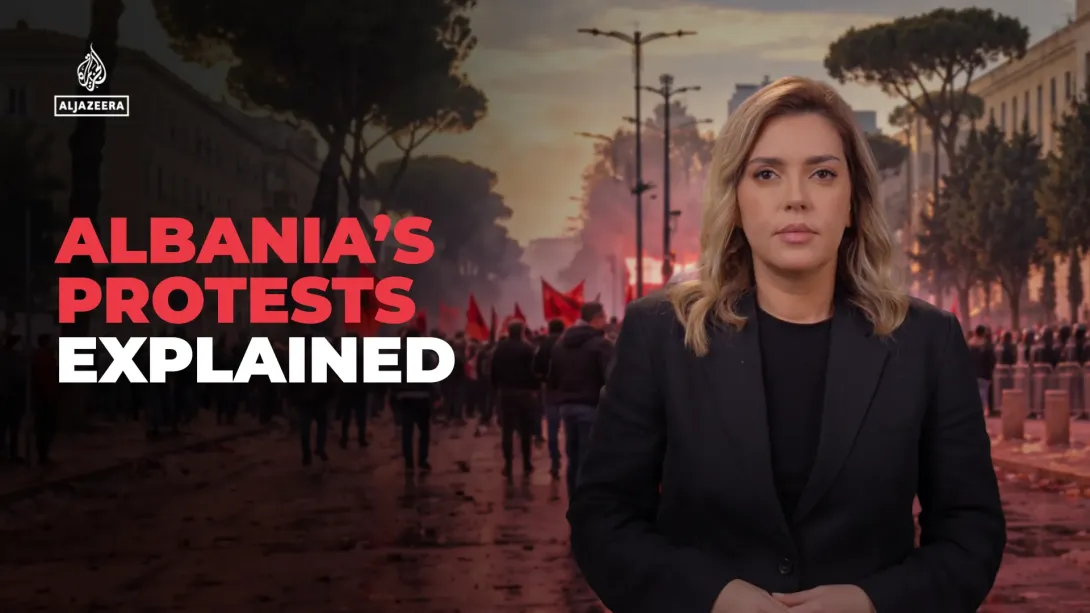
Albanians are protesting because opposition to a contested coastal resort expanded into a broader revolt over corruption, living costs, public services, education and limited opportunities. The unrest escalated after students joined in October, some demonstrators attacked police and buildings, and security forces used tear gas and water cannon.
Focal Verification
The explanation draws on reporting published through October 19 and Albanian government and police statements reviewed on October 20. Official figures are attributed rather than treated as neutral findings, while protesters’ grievances are supported by on-the-ground reporting from multiple news organizations.
Focal Facts
- The movement began over coastal development, environmental protection and decision-making transparency. (apnews.com)
- Students added education, tuition and post-graduation employment concerns in October. (aljazeera.com)
- Demands expanded to Rama’s resignation and early elections. (apnews.com)
- Rama rejected resignation calls and defended the government’s handling of the unrest. (kryeministria.al)
Key Actors
- Edi Rama — Albania’s Socialist prime minister since 2013. Protesters demand his resignation; he rejects that demand and attributes the unrest partly to outside influence.
- Flamingo movement — The civic protest movement named for birds associated with the threatened coastal habitat; its demands broadened from stopping development to political change.
- Students — High school and university participants whose October mobilization added demands concerning tuition, education conditions and opportunities after graduation.
- Albanian State Police — The security force responding to unrest and investigating violence, while also examining allegations that some officers exceeded their authority.
Focal Timeline
- Daily demonstrations associated with the Flamingo movement began, initially opposing coastal tourism development over environmental and transparency concerns.
- High school and university students joined demonstrations over education costs, conditions and employment prospects, beginning a sharper phase of unrest.
- After five days of clashes, police reported 167 arrests, 388 additional criminal proceedings and 132 injured officers. Seven officers were suspended pending investigations into alleged misconduct.
- This explainer’s review of public reporting and official statements ended; the demonstrations’ subsequent course was not established.
Focal Evidence
Associated Press reporting documents the movement’s environmental origins and widening political demands. Al Jazeera identifies education costs, employment prospects and broader economic grievances. Police records establish the official arrest, officer-injury and suspension figures, but those figures represent the authorities’ account rather than an independently reconciled tally. (aljazeera.com)
Gaps in the Record
- The public record reviewed does not provide an independently reconciled total for all protesters and bystanders injured, establish who initiated every clash, or confirm whether demonstrations continued on October 20. Rama’s allegations of coordinated foreign involvement also remain unsubstantiated in the cited reporting.
Focal Outlook
- Will the government offer negotiations or policy concessions without Rama resigning?
- Can peaceful organizers separate their movement from masked groups committing violence?
- How will investigations address alleged crimes by demonstrators and possible excessive police force?
Full Explanation
Albania’s protests are not about one grievance. They began as opposition to a luxury tourism project associated with an investment firm founded by Jared Kushner, but developed into a challenge to Prime Minister Edi Rama’s government. By October, students were also protesting education costs, poor conditions and limited prospects, while demonstrators voiced anger about corruption, living expenses and public services. (aljazeera.com)
What did the Flamingo movement originally oppose?
The first sustained demonstrations focused on planned development around the Narta Lagoon area and nearby Sazan Island. Environmental campaigners raised concerns about protected habitats, while critics questioned transparency and the government’s relationship with powerful investors. Flamingo cut-outs became a protest symbol because the birds inhabit the affected coastal ecosystem.
The government argues that high-end tourism can transform Albania’s economy. Protesters increasingly treated the project as evidence of a larger question: who controls public land and how major development decisions are made. Demands to stop the project gradually expanded into calls for Rama’s resignation and early elections. (apnews.com)
Why did students change the movement?
When high school and university students joined demonstrations on October 13, they connected the environmental campaign with everyday concerns. Reporting identified high education costs, university conditions and weak employment prospects among their complaints. Al Jazeera also reported anger over high living costs, corruption, poor public services and limited opportunities. (aljazeera.com)
That coalition gave the protests a wider social base: the resort remained an important symbol, but it was no longer the sole issue. Rama, serving a fourth term, refused calls to resign. He has described violent participants as a relatively small masked group and argued that external actors and online manipulation helped drive the unrest. Those claims have not been independently established in the reporting reviewed. (kryeministria.al)
Why did the demonstrations become violent?
The October phase combined peaceful participation with attacks by masked people using rocks, fireworks and petrol bombs. Government buildings, businesses and vehicles were damaged. Police responded with tear gas, water cannon and baton charges, producing repeated clashes across central Tirana. (apnews.com)
The authorities said on October 19 that 167 people had been arrested, 388 others faced criminal proceedings and 132 officers had been injured. Police also suspended seven officers and opened disciplinary investigations concerning alleged excessive action and the treatment of a protester. Those suspensions show that scrutiny extends to police conduct as well as violence attributed to demonstrators. (asp.gov.al)
What would resolve the confrontation?
The immediate divide is political. Protesters seeking Rama’s departure regard narrower concessions as inadequate; Rama has ruled out resigning. De-escalation would require a credible channel for peaceful grievances, accountability for violence by participants and police, and concrete responses on education, public services and the disputed development. The reviewed record does not establish that such negotiations have begun.
Focal Update
Updated with Albanian State Police figures released on October 19, including arrests, reported officer injuries and seven officer suspensions. Public records and reporting were reviewed through October 20, 2026; developments after that cutoff are not reflected.