Russian Diesel Exports Offer Limited Relief Amid Market Volatility
Kevin Book from ClearView Energy Partners forecasts that Russian diesel exports will not significantly alleviate the recent surge in diesel prices, citing geopolitical risks in the Middle East as a potential disruptor of global oil markets.
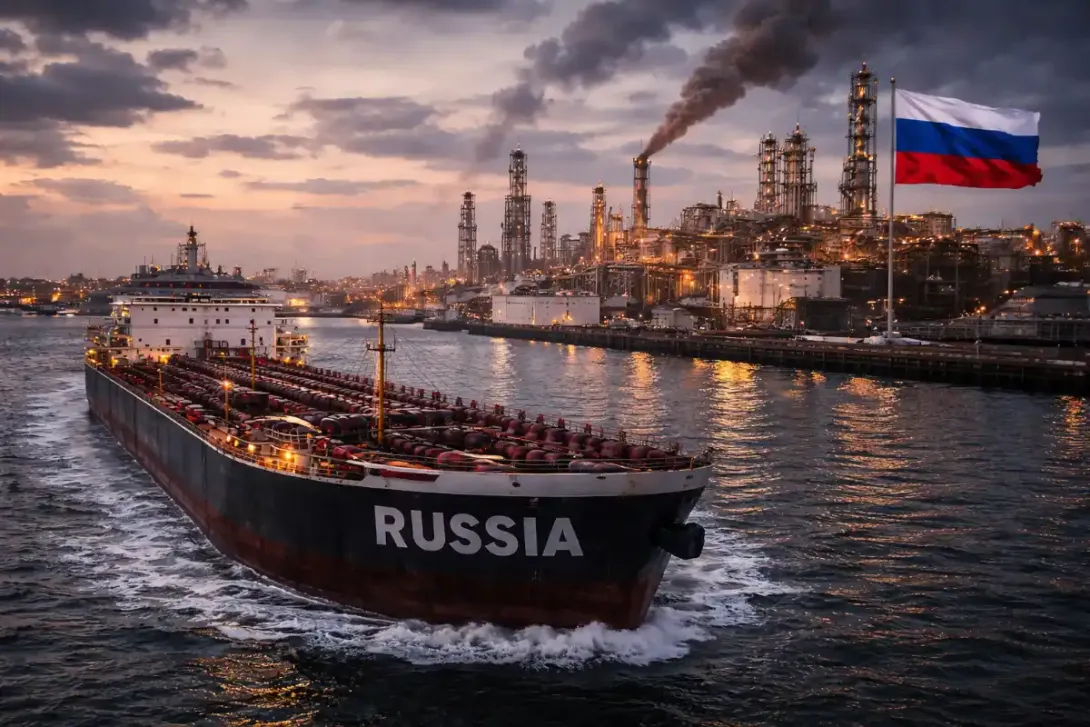
Overview
Kevin Book, managing director at ClearView Energy Partners, asserts that additional Russian diesel exports are unlikely to fully counteract the significant rise in diesel prices observed recently. While some relief of 5 to 20 cents per gallon is predicted by the end of the quarter, broader market volatility remains a concern. This analysis gains significance amid escalating tensions in the Middle East, where potential threats to Saudi energy infrastructure could exacerbate market disruptions.
Facts
- Diesel prices have surged approximately 70%.
- Russian diesel might provide 5 to 20 cents per gallon price relief.
- Middle East tensions pose risks to Saudi energy infrastructures.
- Kevin Book is a managing director at ClearView Energy Partners.
- Analysis discussed on Bloomberg's 'Balance of Power.'
Main narrative
Kevin Book, managing director at ClearView Energy Partners, highlights a critical obstacle in current energy markets: despite the potential increase in Russian diesel exports, the expected impact on mitigating the recent 70% surge in diesel prices is minimal. The supply increase might slightly temper the spike, providing relief of about 5 to 20 cents a gallon by the end of the fourth quarter.
However, the broader context reveals a much more complex picture. A major factor driving market volatility lies in geopolitical tensions, particularly in the Middle East. Book identifies that any further escalation in this region, especially given its critical energy infrastructures, can exacerbate global oil market instability. The prospect of conflict impacting Saudi Arabia's energy facilities could trigger profound market disruptions, magnifying the already significant challenges faced by diesel markets.
These assessments are underscored by discussions on Bloomberg Television's 'Balance of Power,' where Book elaborated on the interplay between increased Russian diesel supply and geopolitical risk potential. Market participants should thus remain cognizant of these dynamics, where geopolitical shifts could sway oil market trajectories unpredictably.
In summary, while additional Russian diesel might offer a modest cushion against runaway price hikes, the overarching influences of geopolitical uncertainties, especially those in the Middle East, are likely to sustain global market anxieties. Whether these risks dissipate or intensify will significantly shape energy sector forecasts in the coming months.
Context / evidence
The significant rise in diesel prices is driven by a complex interplay of supply factors, where the Russian supply potential offers minor relief due to the scale of existing price increases. Kevin Book emphasizes that geopolitical dynamics, specifically involving Middle Eastern regions, play a critical role in potential market disruptions. With Saudi infrastructure at risk due to ongoing tensions, these regional threats remain a focal point for energy market stability.
Counterpoint / knowledge gaps
One counterpoint is the possibility that global markets might adjust more nimbly to new Russian diesel supplies, potentially moderating price increases more effectively than anticipated. Additionally, the geopolitical threats in the Middle East may not materialize as severely, leaving the global oil market more stable than current assessments suggest. Moreover, there is an inherent uncertainty in energy market forecasting, reliant on numerous unpredictable geopolitical factors. Robust evidence could include comprehensive market data analysis on global diesel supplies and geopolitical indicators specifically assessing the vulnerability of key Saudi infrastructures.
Impact
The potential consequences are twofold: limited price relief means continued pressure on industries and consumers dependent on diesel, which can escalate operational costs and cost of living. Furthermore, geopolitical instability amplifies risks of more severe market disruptions, potentially influencing global energy strategies, encouraging nations to invest in energy security and diversification. Organizations involved in logistics and supply chain operations might need to deploy risk management plans to mitigate increased diesel costs and maintain business continuity during fluctuating oil prices.
Outlook
Future scenarios depend on geopolitical developments and energy market adjustments. If Middle Eastern tensions escalate further, particularly affecting Saudi infrastructures, a significant spike in global oil prices is possible. Conversely, diplomatic resolutions or shifts in global supply policies could stabilize markets, albeit with ongoing volatility.