Ukraine Resumes Russian Refinery Strikes, Defying Ceasefire Calls
Ukraine's decision to resume attacks on Russian oil refineries reflects strategic calculations despite calls from the West for restraint.
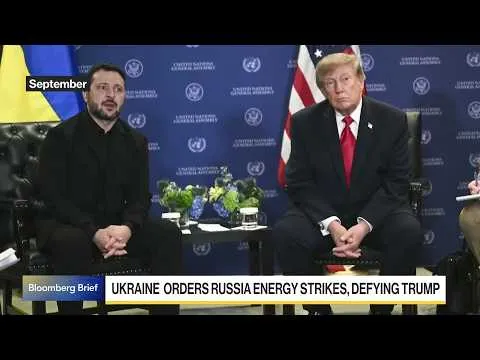
Overview
Ukraine's resumption of refinery strikes against Russia marks a strategic defiance of international calls for ceasefire, balancing military needs with diplomatic tensions.
Facts
- Ukrainian President Volodymyr Zelenskyy has resumed attacks on Russian oil refineries.
- The decision follows a three-day pause and defies US President Donald Trump's request for an 'energy ceasefire.'
- Moscow has continued attacks on Ukrainian infrastructure and civilians.
- The conflict has resulted in significant casualties and damages.
Main narrative
Ukraine's resumption of attacks on Russian oil refineries underscores a significant moment in the ongoing conflict between the two nations. President Volodymyr Zelenskyy has opted to defy international appeals, including from US President Donald Trump, who recently urged an "energy ceasefire." This decision, made after a brief three-day halt, reflects Ukraine's strategic calculation to undermine Russian energy infrastructure as part of its broader defense strategy.
Strategic Calculations Amid Ceasefire Appeals
Ukraine’s decision is driven by the need to retaliate against ongoing Russian aggressions, which have continued unabated into Ukrainian territory. Moscow's strategic targeting of Ukrainian energy infrastructure and civilian areas has forced Kyiv to respond in kind, highlighting the tactical calculus involved in these strikes. By resuming attacks, Ukraine aims to disrupt Russian fuel supplies, thereby complicating logistical support for Russian military operations.
This move comes amid heightened international scrutiny and pressure. Western allies, especially the United States, are advocating for de-escalation to prevent further damage and loss of life, balancing between supporting Ukraine's sovereignty and preventing a broader crisis. However, Zelenskyy's government appears intent on maintaining an aggressive stance on key Russian assets to leverage a position of strength.
International Dynamics and Military Necessity
The context of Ukraine's actions can be understood by examining the wider geopolitical landscape. Ukraine's targeting of Russian refineries sends a clear signal of defiance against Russian advances and aligns with its broader military strategy. These attacks reflect a dual purpose: to weaken Russia’s operational capabilities and to assert Ukraine’s resilience and independence.
Despite criticism, these strikes are a reminder of Ukraine’s constrained position, forced to navigate between military necessity and diplomatic caution. Russia's relentless attacks on Ukrainian infrastructure have resulted in mounting casualties and extensive damage, further compelling Ukraine to maintain pressure on Russia through renewed strikes.
Observers note that the international community remains divided on the best course of action, with Ukraine receiving both support for its sovereign defence and caution against actions that might further escalate the conflict. Such complexities underscore the fragile nature of diplomatic and military engagements currently influencing this war.
Context / evidence
Zelenskyy's announcement highlights Ukraine's strategic priorities amidst ongoing Russian aggression. The continuation of refinery strikes demonstrates Ukraine's resolve to counteract Russian energy capabilities, despite international pressure. The historical context of these strikes aligns with Ukraine's efforts to deter Russia by targeting energy resources, a tactic seen as both defensive and provocative.
Counterpoint / knowledge gaps
There is uncertainty regarding the long-term impact of these strikes on the conflict and whether they will lead to further escalation or prompt diplomatic negotiations. The potential for increased international pressure on Ukraine to halt such attacks is a credible counterpoint that needs exploration. Additionally, the effectiveness of these strikes in weakening Russian operations remains to be fully assessed.
Impact
The continuation of targeted refinery strikes reflects Ukraine's intent to impact Russian military logistics significantly. These actions may lead to strained diplomatic relations with allies unconvinced by aggressive tactics, while potentially emboldening Russia to intensify attacks. Humanitarian impacts are foreseen in civilian areas, exacerbating refugee flows and regional instability. The strategic success of such operations remains to be fully evaluated in shaping the broader conflict dynamics.
Outlook
Future scenarios hinge on the international response to Ukraine's actions and Russia's potential escalation. Observers should watch for diplomatic shifts or increased military engagements.