Refined Fuels: The Lingering Energy Threat
Despite improved crude oil flows, refined fuels continue to pose a significant energy challenge, affecting global supply dynamics and military readiness.
Overview
The transition of US bombers from Fairford airbase underscores broader issues with refined fuel supplies rather than crude oil availability. Even as crude flows stabilize, refined fuels remain tight, impacting energy security and military operations.
Facts
- Heather Conley highlights constraints in refined fuel supplies as a key energy issue.
- US military asset movement raises questions about strategic readiness due to fuel supply issues.
- Refined products face distribution bottlenecks despite improved crude oil flows.
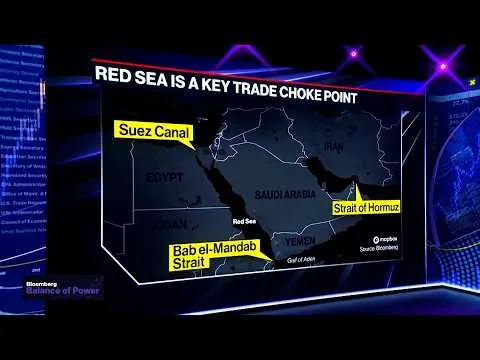
- Strait of Hormuz remains a critical choke point for global oil supply.
Main narrative
Improving global energy security requires more than securing crude oil supplies; it demands addressing the persistent challenges with refined fuels. Heather Conley, a senior fellow at AEI and seasoned advisor, articulates this issue in a recent Bloomberg interview, where she emphasizes that although crude flows through the Strait of Hormuz have stabilized, the energy problem remains because constraints still persist in the refined products sector. This situation presents a nuanced understanding of energy security that goes beyond simple measures of oil availability.
The Gulf's Oil Flow and Military Readiness
The recent movement of US bombers from the United Kingdom's Fairford airbase illuminates broader concerns about energy availability's impact on military readiness. While much emphasis has been placed on securing crude oil flows, ensuring an uninterrupted supply of refined fuels is equally critical for operational sustainability. Conley highlights this issue, suggesting that the military's ability to operate efficiently could be hampered by refined fuel shortages, despite improved crude oil transportation through key bottlenecks like the Strait of Hormuz.
In geopolitical terms, the Strait remains a pivotal passage for a significant portion of the world's oil. While securing this route guarantees the availability of crude oil, it doesn't equate to an effortless supply of refined products necessary for operational readiness, especially in hostile or unpredictable environments. The reliance on refined fuel underscores an often-overlooked dependency—one that can affect both strategic decisions and tactical military deployments.
The Challenges of Refining Infrastructure
The crux of the issue lies within the refining infrastructure. Producing refined products such as gasoline and jet fuel involves a complex network of refineries that may operate at full capacity or face logistical bottlenecks in distribution. These limitations become starkly evident when geopolitical tensions or technical disruptions occur, potentially straining the supply to critical sectors, including military logistics, on a global scale.
Thus, despite stabilized flows of crude oil, the supply chain critical for refined fuels can become congested, resulting in gaps that affect not just strategic reserves but also frontline operations. Improving refining capacity and resilience could mitigate these vulnerabilities, yet they require time and significant investment—a balance that's challenging given the inherent volatility of global energy markets.
Conley’s insights challenge the predominant focus on crude oil supply, urging policymakers to consider how refined fuel scarcity might pose immediate risks to not just the military but also to broader energy security frameworks. The experience of recent asset relocations signals potential pitfalls in maintaining readiness without a reliable supply of refined fuels.
Implications for Energy Policy
Conley’s analysis offers a clear call for action within energy policy circles. Addressing the refined fuel supply challenge demands investment in infrastructure that can adapt to both technological advances and possible geopolitical shifts. Governments and stakeholders must prioritize building refining capacities that can meet global demands, ensuring resilient and diverse supply chains that can withstand both market pressures and regional instability.
The ongoing challenge will be balancing economic and environmental considerations alongside military and energy security needs. As sophisticated as energy markets are, they are also vulnerable to disruptions—pressures that could have significant ramifications if left unaddressed. With strategic focus, the goal remains clear: create a sustainable infrastructure that can secure both regional and global stability, unaffected by the whims of pipeline politics or regional strife.
Context / evidence
Heather Conley, an experienced analyst, asserts that despite improved crude oil flow through key regions like the Strait of Hormuz, the main issue lies in the limited availability of refined fuels. This distinction is crucial as refined products often experience production and distribution bottlenecks. Conley's assertions are backed by broader concerns over energy security, amplified by current military and geopolitical situations.
Counterpoint / knowledge gaps
While some argue that increasing crude oil flows through the Strait of Hormuz alleviates energy problems, this view overlooks the refined fuel supply chain's complexities. Producing refined products involves intricate refining processes, which can be constrained by capacity and technological limitations. Furthermore, geopolitical tensions can disrupt access to essential refining infrastructure. Thus, increasing crude oil supply does not directly translate into sufficient refined fuel availability, a critical gap in the counter-argument.
Impact
The continued bottlenecks in refined fuel supplies may undermine military readiness and affect broader global energy security. Addressing these issues supports better defense capabilities while enhancing economic stability by reducing reliance on vulnerable supply chains.
Outlook
The immediate future suggests persistent challenges with refined fuel supplies unless infrastructure and capacity are expanded. Political stability in oil-rich regions will remain a vital factor.