Philippines solar installs surge as energy cost crisis deepens
Amid surging electricity prices triggered by the U.S.–Israel war on Iran, Filipino households and businesses have rapidly increased rooftop solar installations, prompting both opportunities and challenges for energy security and infrastructure planning.
The Lead
As the U.S.–Israel conflict with Iran sends power bills soaring in the Philippines, a growing number of Filipino households and businesses are turning to rooftop solar installations, accelerating a shift toward decentralized renewables.
Article Body
What’s changed
Since late February 2026, the Philippines has seen a marked rise in electricity bills driven by global energy market disruptions tied to the U.S.–Israel war on Iran. Residential consumers report increases from roughly $150 to as much as $220 per month [2].
The solar response
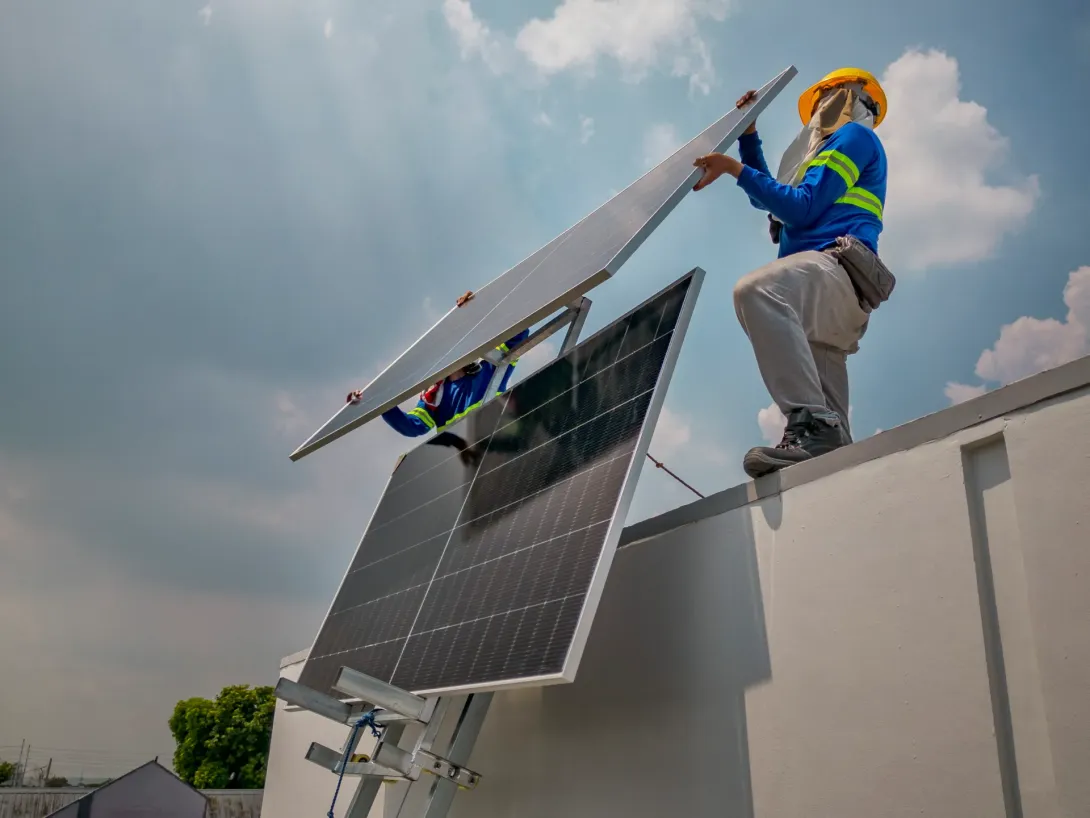
In reaction, rooftop solar adoption has accelerated sharply. A family in Manila began installing panels after realizing the system cost would equate to several years of current electricity spending, with eventual pay‑off and near‑free power thereafter [2]. Installers like Solarmaxx report tripled project volumes and 30‑day lead times, reflecting overwhelming demand [2].
Scope of the surge
Between March and May, the Philippines imported $407 million in solar panels from China—the highest of any overseas market during that window [2]. Meanwhile, Ember projects that rooftop solar capacity has nearly doubled since early 2025 [2].
Underlying drivers and limits
The country’s reliance on imported coal and gas (over 70 percent of its power mix), an unsupportive electricity subsidy framework, and a weak peso have heightened exposure to global fuel shocks [2]. Despite growing interest, high upfront costs remain a barrier for many, with the government’s loan program for rooftop systems currently limited to public sector workers [2].
Policy makers are pushing larger-scale renewable projects—including a planned 3,500‑hectare solar farm north of Manila expected to generate 850 MW—but these will take years to materialize, underscoring the importance of interim household-level solutions [2].
What to watch next: Will expanded financing access and grid readiness keep pace with demand, and can large-scale solar deployment deliver relief before energy shocks deepen?