Battery Makers Pivot from Electric Vehicles to Power Grid Uses
Battery manufacturers shift from electric vehicles to power grid applications as EV demand wanes.
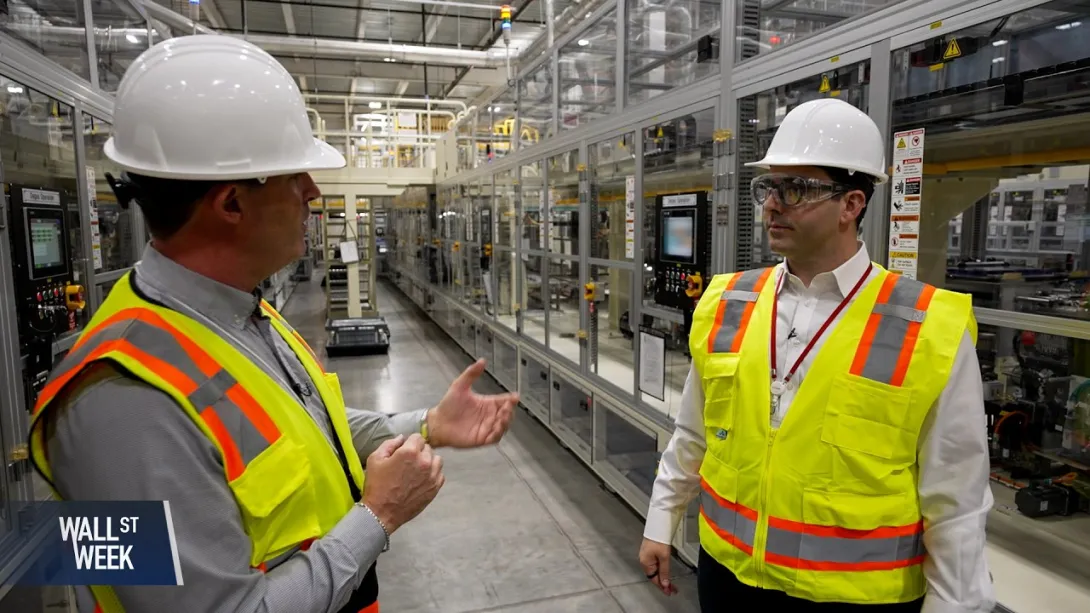
Overview
As electric vehicle demand softens, battery production is increasingly repurposed for stationary storage in power grids. This shift, crucial amid rising electricity needs from data centers, hinges on federal incentives and a global supply chain, including Chinese dependencies.
Facts
- Factories initially focused on EV battery production are being repurposed for power grid batteries.
- There is a noted weakened demand for electric vehicles over recent years.
- The demand for electricity from data centers and new factories is rising, creating a new market for batteries.
- Federal incentives are a significant factor in the viability of the stationary storage market.
- Part of the battery supply chain is dependent on Chinese manufacturing.
Main narrative
Recent trends have seen battery manufacturers transition from producing for the electric vehicle (EV) market to focusing on stationary storage solutions for power grids. As the demand for EVs has encountered a plateau, companies are leveraging their existing resources to meet the growing electricity needs of data centers and new manufacturing facilities.
The Shift in Market Demand
The EV industry, once booming, has seen demand dwindle, compelling manufacturers such as those involved with TransGrid's Atlas projects in Arizona to pivot. Partnering with Qcells and using US-manufactured battery cells by LG Energy Solution, these projects illustrate the strategic shift towards stationary storage applications. The shift is not solely a response to declining EV sales but also an entrepreneurial response to the burgeoning energy needs of large infrastructure projects, such as data centers requiring reliable power solutions.
Dependency and Incentives
A critical component of this shift is the reliance on federal incentives which bolster financial viability. These incentives include tax breaks and subsidies that create an economically supportive environment for stationary storage production. However, the industry’s dependency on the global supply chain, especially Chinese manufacturers for certain components, remains a vulnerability. This dependency poses risks related to geopolitical instability and potential disruptions in material supply.
The U.S. government's push for more domestic production to reduce reliance on foreign manufacturing, particularly from China, could reshape the industry’s landscape. Therefore, battery manufacturers are not only adapting to new demands but also engaging with policy changes and international trade dynamics to ensure their supply chain's resilience.
Implications for the Future
This pivot towards stationary storage not only provides a reprieve from the stagnating EV demand but also aligns with broader energy sustainability goals. By integrating into the power grid, these batteries help balance energy loads and support the transition towards renewable sources. The emergence of this new market sector signals a potential boon for battery manufacturers willing to adapt and innovate.
Context / evidence
The shift in battery production aligns with broader energy infrastructure trends. For instance, TransGrid's Atlas project in Arizona is leveraging US-made battery cells by LG Energy Solution for grid applications. This repurposing suggests a strategic reallocation of resources within companies like Qcells, reflecting a broader industry shift. Data centers and factories are increasingly driving demand for stable energy storage solutions, highlighting a pivot from the transportation sector to energy infrastructure. Moreover, substantive federal incentives presently support this transition, providing necessary financial viability for companies as they navigate these new markets.
Counterpoint / knowledge gaps
Despite the promising pivot towards power grid applications, several uncertainties remain. The sustainability of this shift is heavily dependent on continued federal incentives such as tax credits and subsidies. Without sustained government support, the economic viability of stationary storage might falter. Furthermore, a significant dependency on the Chinese supply chain poses geopolitical risks, which could affect the stability and reliability of resources. This reliance represents a critical bottleneck that could hinder the industry's growth if geopolitical tensions rise. An analysis of alternative raw material sources or advancements in battery technology independent of Chinese inputs could further elucidate the stability of this shift.
Impact
The shift provides a lifeline to battery manufacturers facing reduced EV demand, offering a viable alternative market in power grid storage. It enables resilience against market fluctuations in the EV sector and promises increased job creation within manufacturing and infrastructure sectors. However, overdependence on Chinese supply chains remains a risk, potentially affecting stability and long-term viability if unaddressed. Additionally, the outcome is highly contingent on sustained federal policy support, which could either bolster or hinder growth in this new market depending on political will.
Outlook
The future of battery production for stationary storage is tentatively positive, provided federal incentives persist and geopolitical supply chain dependencies are managed. An increase in domestic production capacity, reducing reliance on foreign inputs, could further solidify this emerging market.