ICE Tactics Under Scrutiny Ahead of US Midterm Elections
The use of Immigration and Customs Enforcement (ICE) strategies has become a central issue in the run-up to the US midterm elections, sparking a nationwide debate focused on immigration policies and national security.
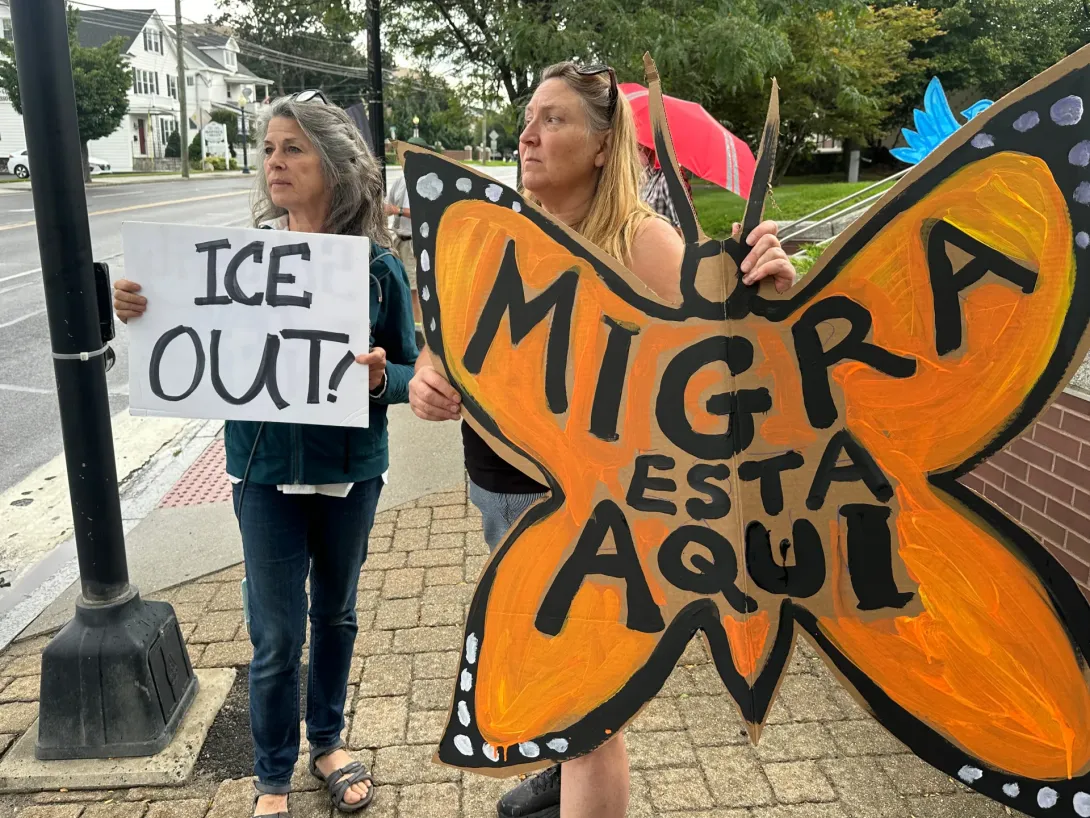
Overview
The tactics employed by ICE have emerged as a contentious issue ahead of the US midterm elections, highlighting a profound national debate over immigration policy. The discrepancy between political rhetoric and the on-ground impact of these tactics is central to understanding their influence on voter sentiment and policy outcomes.
Facts
- ICE is a federal law enforcement agency under the U.S. Department of Homeland Security.
- ICE tactics have included raids, deportations, and community monitoring.
- The US midterm elections are pivotal for control of Congress and are influenced by various key issues, including immigration policy.
- There is significant political divide over the role and scope of ICE's mandate.
Main narrative
The ICE Debate Intensifies
As the United States approaches the midterm elections, the role of Immigration and Customs Enforcement (ICE) has emerged as a contentious focal point, with its tactics sparking national debate. With control of Congress at stake, discussions around ICE focus on its methods of deportations, raids, and community monitoring, which have been divisive among voters and policymakers alike.
The prominence of ICE in the electoral discourse reflects broader concerns about immigration policy and national security. Advocates argue that ICE is essential for maintaining public safety by enforcing immigration laws; however, detractors criticize its aggressive tactics as overly punitive and harmful to community trust.
Political Dynamics at Play
The Democratic and Republican parties are deeply divided over ICE’s role, each leveraging the agency to rally their bases. For Republicans, ICE symbolizes strong border enforcement and a commitment to national security, aligning with their broader stance on immigration control. In contrast, Democrats often highlight the potential overreach and human rights concerns associated with ICE operations, advocating for more humane immigration policies.
This polarization has affected voter sentiment, turning immigration policy into a key campaign issue. Communities across the nation have responded variably, with some supporting stricter immigration control measures while others push for reform. Such dynamics underscore the potential impact of ICE-related policies on the election outcomes.
On-the-Ground Implications
Beyond the political rhetoric, the real impact of ICE tactics can be observed in affected communities, where raids and detentions significantly influence social climates. Critics argue that these operations often lead to fear and instability in immigrant communities, potentially undermining local law enforcement relationships and community safety. Proponents, however, view these measures as necessary to deter illegal immigration and uphold the law.
The effectiveness of ICE tactics is a matter of debate, as tangible evidence linking their operations to significant reductions in illegal immigration or improved security remains limited. While ICE’s mission is to enforce immigration law, how this aligns with local and national security goals is at the crux of ongoing debates.
In conclusion, as the midterm elections approach, ICE tactics remain a significant point of contention, reflecting deeper ideological divides within American society. These discussions are likely to influence not only election outcomes but also the broader trajectory of US immigration policy in the years to come. The outcomes of this political contest will have lasting implications, shaping legislative and operational directions for ICE and similar bodies.
Context / evidence
ICE tactics have become central to debates ahead of midterm elections. Deportations and raids are contentious, sparking criticism and support from different sectors. The role of ICE is influential in immigration policy discussions, impacting voter attitudes. Reports from major news outlets like Al Jazeera highlight ICE's position within broader security practices.
Counterpoint / knowledge gaps
Critics argue that ICE tactics might be overstated in their effectiveness or unintended consequences could arise, such as heightened community tensions without real improvements in security. Evidence showing the direct impact of these policies on reducing illegal immigration remains scarce, and further studies are needed to understand their effectiveness better. Some communities report feeling over-policed or unfairly targeted, which places additional scrutiny on the broader social climate rather than solely on legal outcomes.
Impact
The ICE debate influences voter alignment and potentially shifts legislative priorities depending on the election results. The discussion highlights a division in political priorities, with potential reforms or reinforcements of ICE practices looming based on who secures control of Congress. The ramifications extend beyond mere policy reforms, affecting community-police relations and public trust in law enforcement agencies. This could lead to reevaluations of funding and strategic priorities, depending on the political alignment of the upcoming legislative body.
Outlook
Depending on the election outcomes, ICE practices could face significant reforms or bolstering. Key indicators include legislative actions relating to immigration policy and public reception of ICE’s role. Candidates’ positions and their electoral success will strongly influence the direction of ICE's future operations.