Corruption Allegations Threaten Republican Midterm Strategies
Marc Short has highlighted emerging corruption issues within the Trump administration as a liability for Republicans in upcoming elections.
Overview
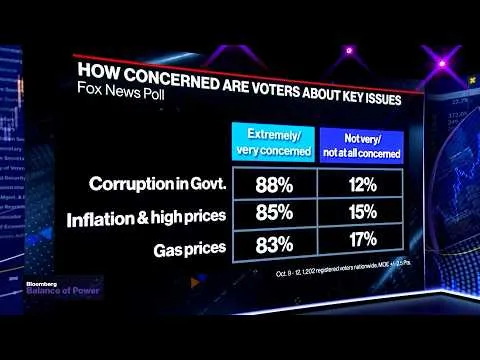
Corruption allegations involving the Trump administration are increasingly viewed as a liability for Republicans, potentially affecting voter motivation ahead of the midterms.
Facts
- Marc Short has publicly commented on corruption issues affecting the Republican Party.
- He highlighted the impact of Trump administration controversies ahead of midterms.
- Short critiqued the economic logic of sourcing diesel from Russia.
- The focus has shifted towards establishing a compelling message to motivate Republican voters.
- Corruption narratives might influence voter perceptions and behavior in upcoming elections.
Main narrative
Allegations of graft and corruption involving the Trump administration and the broader Republican Party have become focal points as midterm elections approach. Marc Short, who served as Chief of Staff to former Vice President Mike Pence, has expressed concerns that these issues are proving to be increasingly problematic for Republican candidates. Short's comments, made in a Bloomberg "Balance of Power" interview, underscore a growing narrative that associates corruption with potential electoral repercussions.
The Impact of Corruption Allegations
The Trump administration and those linked to it, including family members, are at the center of these corruption claims. Reports have surfaced citing financial misdealings and ethically questionable engagements, which have become ammunition for political adversaries and a point of frustration within the party's own ranks. Marc Short emphasized the importance of addressing these allegations and articulated a need for party leaders to craft a compelling closing message that resonates with voters. The implication is that Republican candidates may struggle to secure voter trust and participation if overshadowed by unresolved corruption narratives.
Furthermore, Short critiqued actions by former President Trump, specifically pointing to the economic senselessness of expanding trade relations with Russia, including importing Russian diesel. This decision is seen as a strategic misstep, potentially alienating a segment of the electorate concerned with both economic and national security perspectives.
Strategizing for the Midterms
Republican strategists are thus being tasked to recalibrate their messaging, ensuring a focus on tangible policies and ethical standards. This shift in strategy is posited as essential for engaging undecided voters and reinforcing the support of the Republican base. The challenge lies in crafting messaging that not only deflects the negative press but also reasserts the core values and future plans of the party.
Corruption allegations can profoundly influence public perception, deterrence from party alignment, and resultant voter turnout. Previous electoral cycles have demonstrated that ethical controversies, if not convincingly countered, can sway independent voters and reduce party base enthusiasm. This is particularly critical as Republicans aim to maintain control in key Congressional districts with competitive races.
The spotlight on these allegations pushes the party into a defensive posture, necessitating a narrative that concedes past issues while demonstrating corrective and proactive governance. Short's perspective highlights the necessity for Republicans to prioritize effective communication strategies to mitigate the potential fallout.
Context / evidence
Marc Short, a seasoned Republican insider, has expressed concern over how allegations of corruption within the Trump administration and the Trump family are emerging as significant challenges for the Republican Party. His remarks were made during an interview with Kailey Leinz on Bloomberg's "Balance of Power." Short specifically pointed to recent reports addressing the economic and political ramifications of President Trump's interactions with Russian President Vladimir Putin, including allegedly ill-considered trade decisions. Critically, Short's insights are part of broader analytical frameworks used by political commentators who suggest a potential shift in voter allegiance due to these controversies.
Counterpoint / knowledge gaps
Critics might argue that corruption allegations have often failed to shake Trump's support base significantly. It's crucial to examine whether these claims of corruption truly resonate with the broader electorate or if the focus should shift towards other pressing issues. Further investigation into voter behavior could offer a more complete understanding of this dynamic.
Impact
The focus on corruption may lead to decreased voter turnout among disillusioned Republican supporters, while energizing opposition turnout to highlight governance critiques. This could potentially alter the balance in closely contested districts, influencing the overall outcome of the midterms and by extension, legislative priorities and political leverage in Washington, D.C. Corruption narratives might challenge the party's legitimacy, forcing deeper introspection and reshuffling of key figures within Republican leadership to restore public trust and credibility. The efficacy of response strategies and the recalibration of public messaging will have lasting implications, potentially reshaping the party’s electoral viability and future policy stances.
Outlook
The upcoming elections could serve as a decisive moment, with outcomes possibly signaling voter priorities regarding governance ethics. Monitoring early voter sentiments and polling data will be key indicators of whether corruption concerns outweigh other electoral issues.