Balkan Politics and Their Impact on Relations with Israel
Balkan-Israel relations are shaped by unique political dynamics, where historic ties and recent events influence diplomatic attitudes across the region.
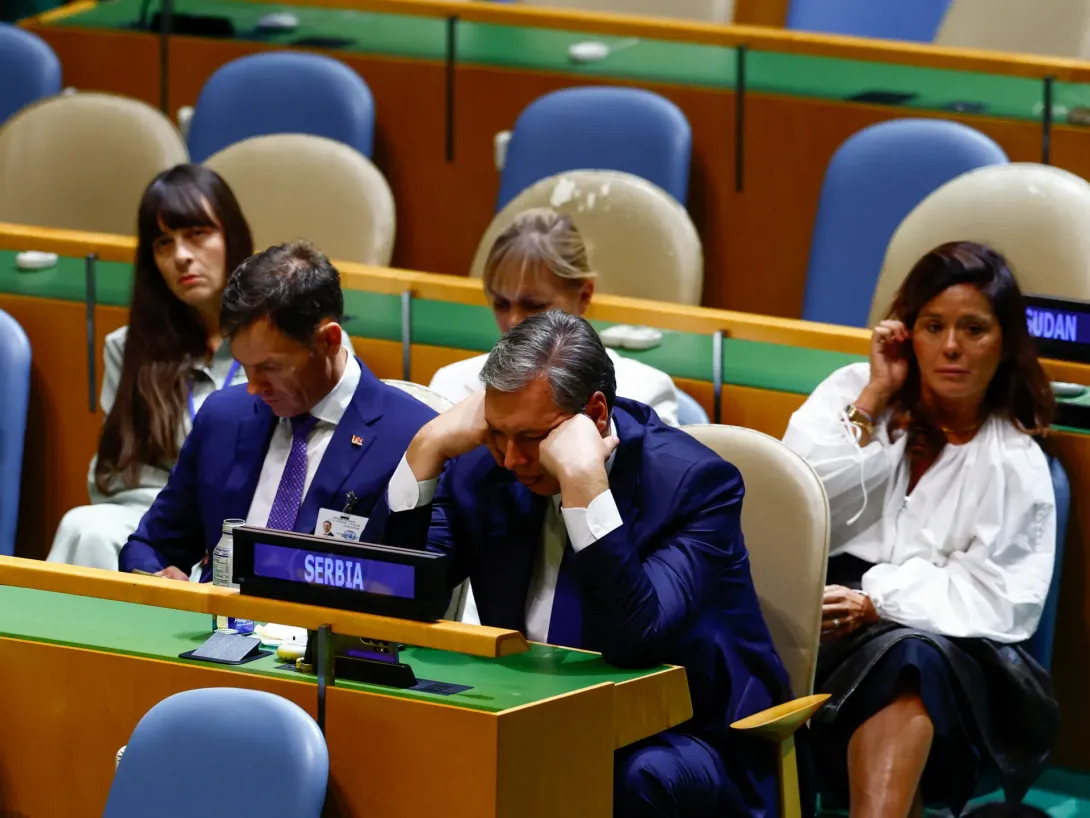
Overview
Balkan countries' diplomatic relationships with Israel are influenced by a complex interplay of historical connections, national politics, and regional dynamics. These differing approaches reflect broader foreign policy tendencies and reveal the intricate balance each nation must strike in the region's geopolitically charged environment.
Facts
- Serbia recognized Jerusalem as Israel's capital in 2020.
- Kosovo established diplomatic relations with Israel in 2021, also recognizing Jerusalem as its capital.
- Croatia established diplomatic relations with Israel in 1997 and continues to maintain them.
- Bosnia and Herzegovina has expressed varied political stances internally, affecting its foreign policy towards Israel.
- Greece and Israel share a strategic partnership in defense, tourism, and energy sectors.
Main narrative
The diplomatic relationships between Balkan countries and Israel present a mosaic of policies shaped by unique historical, political, and economic factors. Each country's approach reflects its individual historical narratives, national interests, and regional dynamics, evidencing a diversity that reflects the broader geopolitics of Southeastern Europe.
Historical and Political Influences
Serbia's decision in 2020 to recognize Jerusalem as the capital of Israel exemplifies its foreign policy maneuvering aimed at strengthening bilateral ties in return for positive international acknowledgment. This move aligns with Serbia's strategic aspirations to bolster its international standing, showcasing its willingness to adapt to the rapidly shifting geopolitical landscape.
Conversely, Kosovo, which established diplomatic relations with Israel in February 2021, underscores a different axis of diplomatic alignment. By recognizing Israel and exchanging ambassadors, Kosovo seeks broader international recognition, navigating a balanced policy that aligns with Western allies while projecting its statehood ambitions.
Different Approaches Across the Region
Croatia's steady diplomatic engagement with Israel reflects its post-war alignment with Western politics. Since recognizing Israel in 1997, Croatia has consistently pursued enhanced bilateral trade and cooperation in defense, illustrating robust relations.
Bosnia and Herzegovina, however, illustrates a contrasting scenario, where internal political rifts affect its foreign policy. The tripartite presidency system leads to complications, showing inconsistent stances on Israel and broader international relations.
Meanwhile, Greece's relationship with Israel is highlighted by a strong strategic partnership, marking a shift influenced by regional security concerns and economic interests, a testament to evolving Middle Eastern and Eastern Mediterranean geopolitics.
Implications for Regional Dynamics
These varied approaches to Israel among Balkan nations underscore a broader trend of individualized foreign policy strategies. Each country's unique domestic political landscape and historical context contribute to the complexity seen in their foreign relations. The disparate alliances highlight the identifiable drive within each nation to secure and solidify its regional and international standing.
Factors such as economic inducements, security cooperation, and the quest for international legitimacy motivate these diplomatic approaches. While maintaining their distinct paths, Balkan nations collectively navigate a landscape marked by both collaboration and competition, influenced by larger geopolitical forces within Europe and beyond.
Context / evidence
Several Balkan states have unique historical and political ties with Israel. Serbia's recognition of Jerusalem and Kosovo's direct diplomatic engagement are driven by a desire to strengthen international alliances. Croatia maintains steady ties, attributed to post-war reconstruction and Western alignment. Bosnia and Herzegovina's internal political divisions lead to a variable stance on international issues, including relations with Israel. Greece and Israel's partnership underscores broader strategic interests, marking a shift from traditionally stronger Albanian ties.
Counterpoint / knowledge gaps
While the political motivations driving Balkan countries' relationships with Israel are varied, understanding the nuanced intra-regional alliances could provide further insight into external diplomatic orientation. Additionally, more recent data on public opinion within these countries regarding Israel could offer a clearer picture of long-term prospects for these diplomatic ties.
Impact
The diverse diplomatic strategies towards Israel have significant implications for Balkan countries' foreign policy orientations. Serbia's alignment may strengthen its ties with global powers supporting Israel, potentially affecting its European Union accession prospects. Kosovo's diplomatic recognition by Israel advances its international legitimacy but might complicate relations with countries opposing such moves. Croatia's consistent ties with Israel reinforce its Western alliances, aiding its strategic regional aims. Bosnia and Herzegovina's unstable foreign policy highlights the challenges of internal division on international relations, while Greece's deepened partnership with Israel underscores its role in Eastern Mediterranean geopolitics. These dynamics affect regional stability and influence broader geopolitical strategies within Europe and the Middle East.
Outlook
The future of Balkan-Israel relations will largely hinge on regional stability and broader geopolitical shifts. Anticipating changes in international alliances and domestic political climates will necessitate close observation of each country's strategic priorities.