Africa watches Israel election for impact on Gaza-era ties
African governments are closely watching Israel’s October 27 election, anticipating its influence on diplomatic, security and economic ties amid the Gaza war.
The Lead
Israel’s upcoming October 27 election is drawing close scrutiny from African capitals, which expect its outcome to shape bilateral ties—from diplomacy and trade to security cooperation—amid the fallout from the Gaza war.
Article Body
A contested vote with continental implications
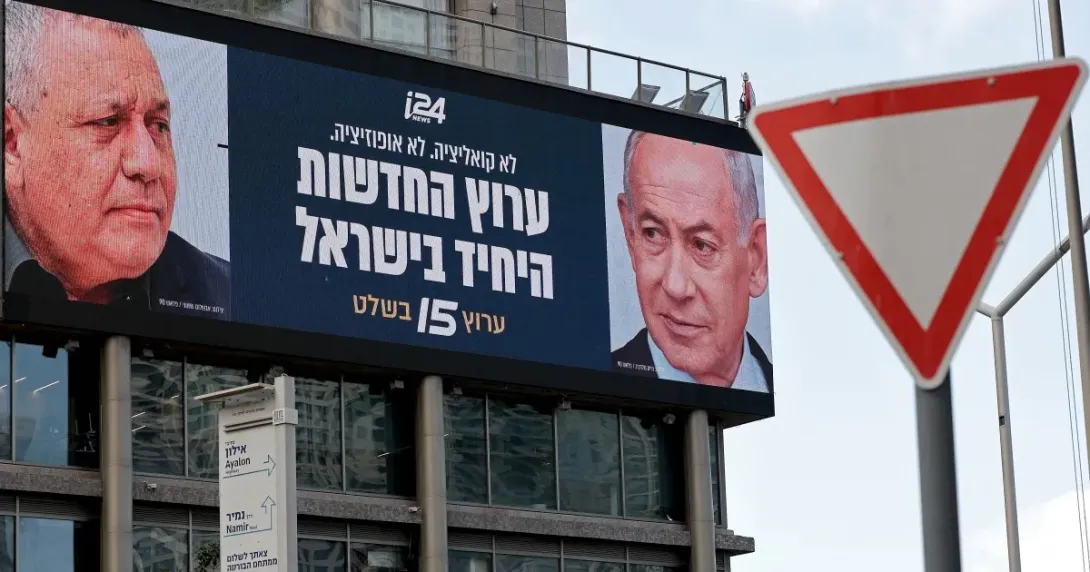
African governments are watching Israel’s October 27 election closely, recognizing that the contest’s outcome may significantly influence the future of their relations with Jerusalem. With neither Prime Minister Benjamin Netanyahu’s bloc nor the opposition expected to command a clear majority in the 120-seat Knesset, attention is now turning to how coalition building could impact Israel’s posture on Gaza and the Palestinian issue.
The stakes are high. South Africa, one of Israel’s most vocal African critics since the Gaza war began, has taken the matter to the International Court of Justice and seen its parliament push for a suspension of diplomatic ties. By contrast, Morocco continues to maintain and expand normalized relations, including agreements to upgrade diplomatic missions, pursue investment protections, double taxation treaties and enhance air connectivity.
Security and developmental partnerships further complicate the picture. In the Democratic Republic of the Congo, Israel has engaged Congo’s leadership on agreements in agriculture, infrastructure, energy and high technology. These ongoing talks underscore that, despite political tensions, transactional ties remain in place.
Meanwhile, the African Union remains split. Israel’s observer status has been the subject of continued debate, exacerbated by divisions on how to approach the Gaza conflict, sovereignty issues and international legal standards.
The critical signal now to watch will be whether Israel’s next government adopts a softer approach to Gaza and Palestinian rights—and the degree to which that influences African capitals’ willingness to recalibrate their relations.