Data center fights reach ballots in 13 states as AI buildout faces local resistance
Local votes are turning resistance to AI infrastructure into a direct test of how much control communities will retain over data center development.
Focal Brief
Voters across the United States are confronting data center development at the ballot box, with 41 local measures scheduled for November 3 as opposition to nearby facilities grows alongside the AI infrastructure buildout.
Focal Facts
- Ballotpedia tracked at least 50 local data center measures across 13 states in 2026, including 41 scheduled for November 3 in 10 states.
- Ohio accounts for 21 of the 50 measures, spread across 18 jurisdictions.
- By October 30, voters had decided six measures; every result favored tighter limits or rejected a proposal supporting development.
Focal Point
The clearest signal will be whether November 3 results extend the six-to-zero pattern favoring restrictions, particularly in Ohio, where nearly half of the year’s tracked measures are concentrated.
The measures cover different policy choices rather than a single national proposal. They include bans, power-based limits, zoning changes, voter-approval requirements and questions that could facilitate individual projects.
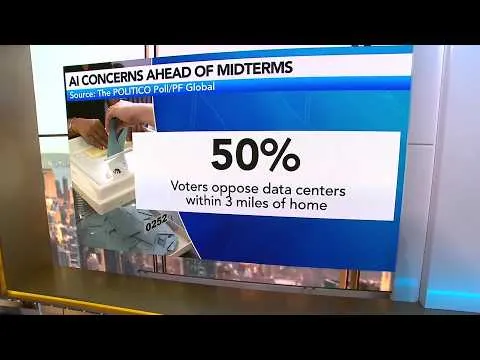
Public resistance has also risen. A POLITICO poll conducted by PF Global from October 16 to 19 found 50% of Americans opposed construction of a data center within three miles of their home, up from 28% in January. Separate CBS News polling in June found concerns centered on effects respondents associated with electricity, water, the environment and utility costs, while some saw benefits for jobs, local economies and tax revenue.
The votes will not determine the overall pace of the US AI buildout, but they could alter where projects are viable and how developers secure local approval. The next consequential question is whether restrictive results prompt state legislatures to strengthen community authority—or move to preempt local limits.