Yemen Government Escalates Offensive Against Houthis: Key Changes
A renewed offensive by Yemen's government against the Houthi rebels marks a significant shift in a conflict that has persisted for years. This analysis examines the factors driving this escalation.
Overview
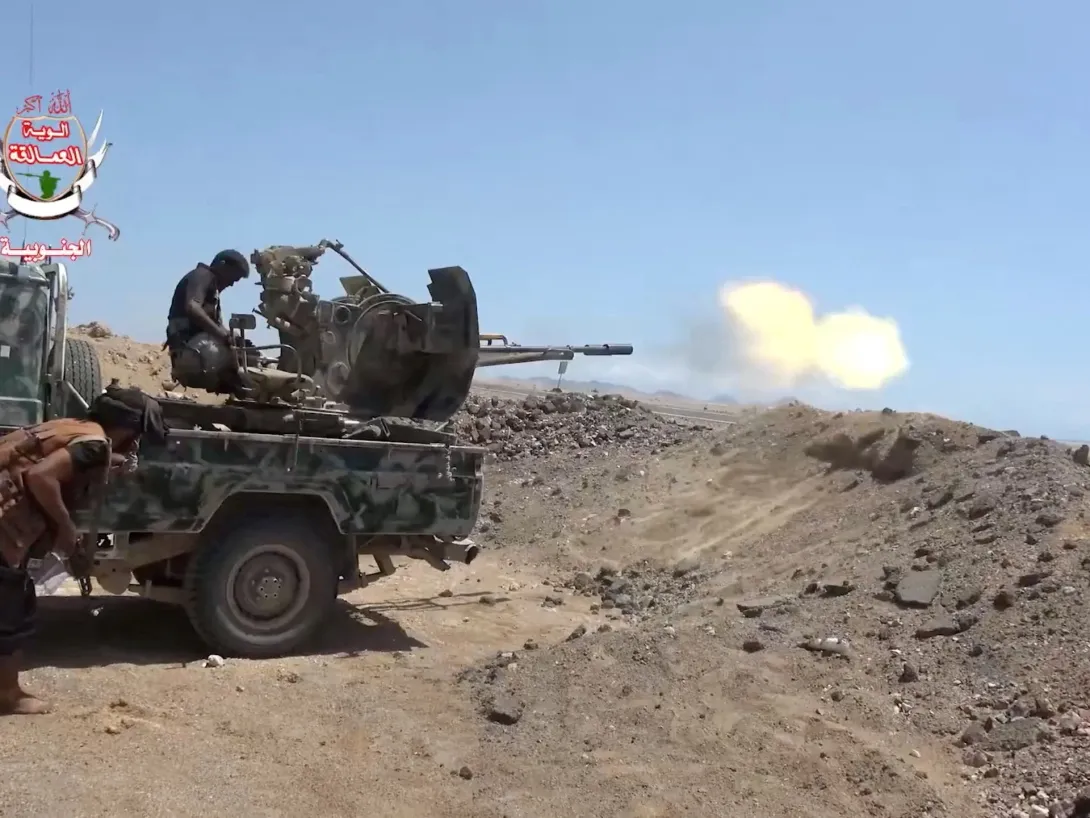
Yemen's government has launched a renewed offensive against the Houthi rebels, suggesting a shift in the prolonged conflict. This renewed aggression is driven by internal political consolidation and changes in international support.
Facts
- Yemen's conflict has been ongoing since 2014, involving the internationally recognized government and Houthi rebels.
- The Houthis are backed by Iran, while the Yemeni government receives support from a Saudi-led coalition.
- Recent escalations have seen government forces advance in various strategic areas.
- International negotiations occurred earlier this year, yet a breakthrough remains elusive.
- Regional power dynamics are influenced by wider geopolitical tensions, notably involving Iran and Saudi Arabia.
Main narrative
Yemen’s government has intensified its military campaigns against the Houthi rebels, marking a significant development in a war that has endured since 2014. This renewed vigor is emblematic of shifting dynamics both within Yemen and in the wider geopolitical landscape.
Internal Consolidation and Political Dynamics
The Yemeni government's recent offensives are notably underpinned by domestic political consolidation. With forces realigning under a unified command, this structure has enabled a more coordinated and formidable military strategy against the Houthis. President Abdrabbuh Mansur Hadi’s government appears to have overcome some internal divisions, allowing for a more robust frontline operation. This domestic realignment has arguably emboldened the troops, reflected in the recent successes on the battlefield.
In parallel, the weakened state of the Houthis due to internal power struggles and resource constraints has left the rebel group more vulnerable. Reports suggest that infighting within Houthi ranks and diminishing external supplies have exacerbated their position, giving the Yemeni government a strategic opening to capitalize on.
International Influence and Regional Power Dynamics
The geopolitical chessboard of the Middle East continues to shape the contours of the Yemeni conflict. Changes in Saudi Arabia’s stance, emanating from a broader regional diplomatic pivot, have played a critical role. The Kingdom’s recent engagements with Iran, though primarily focused on broader regional security, echo a strategic recalibration that impacts the Yemen conflict.
This interaction indirectly alleviates some of the financial and political pressure on the Yemeni government, enabling diverted resources toward the offensive. Furthermore, U.S. recent diplomatic nudges towards de-escalation have injected a new dynamic into the conflict, albeit with mixed success on the ground.
The Houthis, facing dwindling support from Iran, find themselves in a precarious position. While Tehran’s commitments to the Houthis have not officially shifted, the subtleties in reduced aid and logistical support are perceptible, straining the Houthis’ capability to repel intensified government advances.
Consequences of Renewed Hostilities
The human and infrastructural cost of the renewed conflict cannot be overstated. The current military campaigns have complicated humanitarian aid delivery, exacerbating the dire conditions faced by civilians already enduring famine and disease. This uptick in violence underscores the need for renewed international efforts toward negotiation and peacebuilding.
In the interim, the Yemeni government's gains might set the stage for potential breakthroughs in future peace talks, should they maintain military momentum and translate battlefield successes into viable political leverage. However, entrenched opposition from the Houthis and their regional backers persists, dimming immediate prospects for ending the conflict.
Context / evidence
The context of the conflict has seen changes due to a shift in local power dynamics as well as international diplomatic maneuvers. For instance, Saudi Arabia's recent diplomatic outreaches towards Iran and other key regional players have recalibrated support structures, impacting Houthi and governmental strategies.
Counterpoint / knowledge gaps
While the Yemeni government's recent offensive indicates a shift in momentum, the ongoing role of international influences, specifically Iran and the U.S., remains complex and partly opaque. Details on backdoor diplomatic efforts are limited, leaving potential uncertainties in fully understanding the conflict's trajectory.
Impact
The renewed offensive has intensified humanitarian crises, blocking aid routes and worsening famine conditions. Militarily, the Yemeni government might leverage gains for future negotiations, although continued Houthi resistance and Iran's position complicate long-term peace prospects.
Outlook
Prospects for the conflict remain uncertain. While initial gains by the government could provide a sense of momentum, entrenched regional politics and humanitarian issues pose significant challenges for durable peace.