Three Years of Dispossession: West Bank Under Israeli Policies
Analysis of the ongoing dynamics and implications of the Israeli dispossession of Palestinians in the West Bank over the past three years.
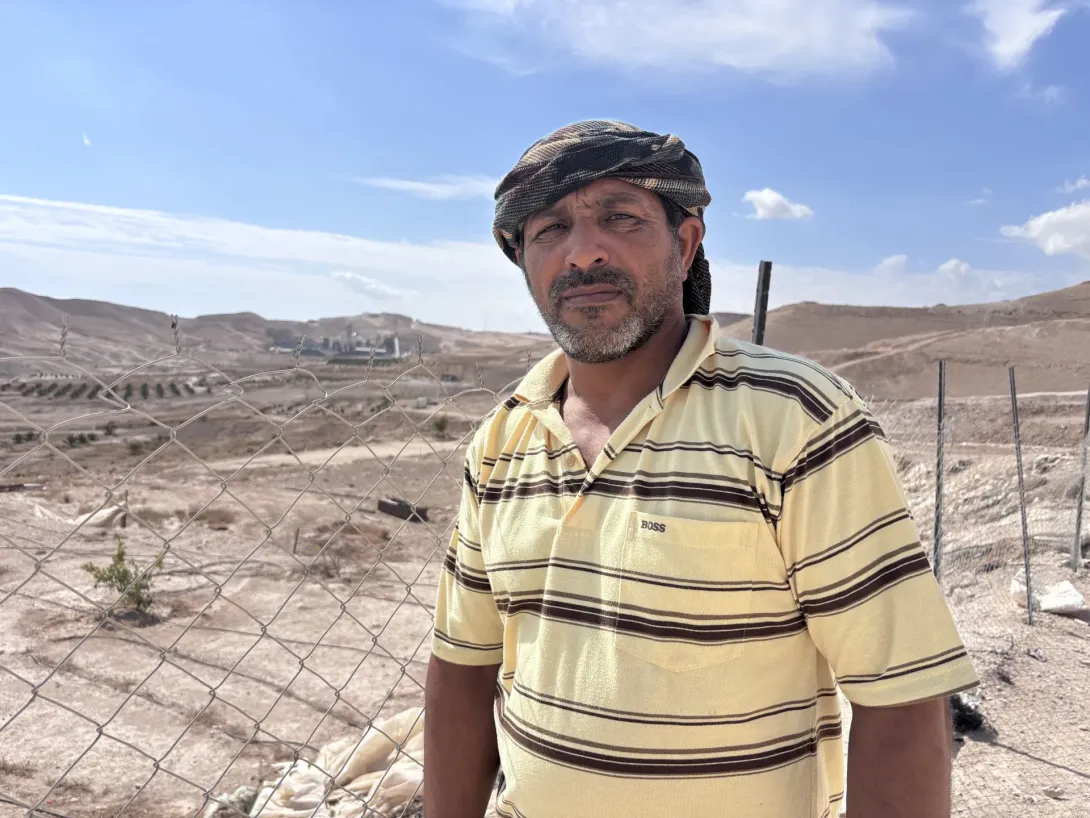
Overview
Over the past three years, Israel’s approach in the West Bank has included extensive demolitions and evictions, impacting thousands of Palestinians and altering the region's demographic and political landscape.
Facts
- Approximately 1,000 Palestinians have been displaced in the past three years.
- Over 700 structures have been demolished, including homes, schools, and other critical infrastructure.
- International laws, such as the Fourth Geneva Convention, view these acts as illegal, but Israel disputes this interpretation.
- The Israeli government cites security concerns as a primary motivation for demolitions and evictions.
Main narrative
Dispossession as Policy
Over the last three years, Israeli policy in the West Bank has heavily involved the removal of Palestinian communities through demolitions and evictions. According to Al Jazeera and corroborative international reports, more than a thousand Palestinians have been displaced, as over 700 structures, including homes and community centers, have been demolished. These actions are officially justified by Israel under security pretenses and legal interpretations that differ from those upheld by many international organizations.
International laws, particularly the Fourth Geneva Convention, classify such acts as illegal in occupied territories. However, Israel disputes this classification, arguing that its operations are crucial for maintaining security and thwarting terrorism. The Israeli stance highlights a persistent geopolitical disagreement over the interpretation and application of international law.
The Humanitarian and Political Fallout
The demolitions have not only displaced persons but have also disrupted vital community functions. Schools and infrastructural facilities have been destroyed, significantly impacting the daily lives and economic prospects of Palestinian residents. Reports document the severe psychological effects experienced by families who face uncertain futures.
On the geopolitical front, these actions have intensified international scrutiny and criticism. Human rights organizations frequently accuse Israel of human rights violations and urge for international intervention and policy changes. Despite this, Israel's assertions of existential threats and security concerns underpin their actions and have, to some extent, shielded them from punitive measures by allies.
Criticism and Legal Contentions
Palestinian authorities and many international observers view the dispossession as a systematic attempt to change demographics in the region. The ultimate goal, they argue, is to consolidate Israeli control of strategically important land. These claims are supported by extensive documentation and analysis from international legal bodies and NGOs.
The ongoing legal contestations also reflect the broader intractability of the Israeli-Palestinian conflict. International venues, such as the United Nations, reiterate the illegality of such dispossession, yet realpolitik and bilateral alliances often dilute these stances.
Security vs. Human Rights
The strongest counter-narrative claims that national security justifies such measures, asserting that these efforts are essential to prevent terrorist activities and protect Israeli citizens. This perspective, while acknowledged by some states and analysts, faces substantial opposition as the impacts on Palestinians appear to far outweigh the argued security benefits. Critics argue that the dispossession increases resentment and instability, potentially fostering conditions conducive to further conflict.
Context / evidence
According to multiple sources, the Israeli government has intensified the demolition of Palestinian structures since around 2023. Official explanations often cite security reasons, while critics argue these actions exacerbate tensions and violate international law. Documentation by human rights organizations supports claims of increased dispossession, noting the psychological and economic impacts on affected Palestinian communities.
Counterpoint / knowledge gaps
Israel often argues that the actions taken in the West Bank are necessary for security reasons and are legal under its laws. They also claim that international criticism often undermines the complexity of security challenges and fails to equally address actions by Palestinian groups that threaten Israeli citizens. However, this perspective is challenged by widespread international criticism and allegations of disproportionate use of force and violation of international law, particularly in how these actions impact Palestinian civilians.
Impact
These dispossessions have exacerbated tensions between Israel and Palestinians, complicated international relations, and drawn widespread condemnation, albeit with limited practical rollback of Israeli actions. The humanitarian impact on Palestinian communities is profound, affecting their economic and social stability and increasing international calls for accountability and intervention that have seen little progress on the ground but could heighten regional diplomatic discussions and tensions further if the pattern continues unchanged.
Outlook
The trend of dispossession is likely to continue unless significant diplomatic interventions arise. International pressure may increase, yet Israel's internal security narrative could maintain the status quo.