Yemen Conflict Escalates: Analyzing Recent Gains and Challenges
The Yemeni conflict has seen recent escalations, with government forces claiming significant gains against Houthi rebels. This analysis explores the strategic shifts, challenges, and future implications of these developments.
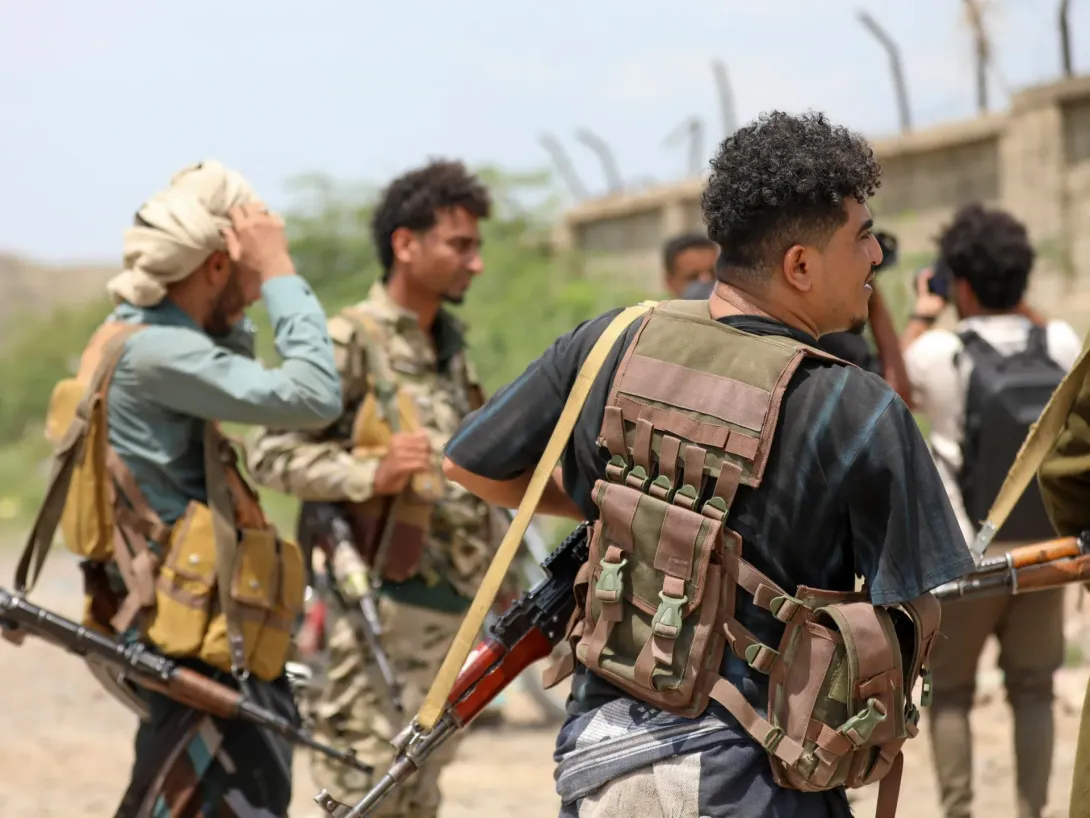
Overview
Yemen's ongoing war has reached another critical juncture as government forces announce strategic victories against Houthi rebels. This shift in battlefield dynamics could alter the conflict's trajectory, but underlying challenges persist.
Facts
- Government forces reported recapturing key districts in Yemen as of October 2026 (Al Jazeera).
- Houthi rebels have held significant areas of Yemen since the conflict escalated in 2014 (International Crisis Group).
- The conflict in Yemen has resulted in over 233,000 deaths, making it one of the world's worst humanitarian crises (UN).
- Saudi Arabia and the UAE have been key military supporters of Yemeni government forces (BBC).
- Peace talks have repeatedly stalled due to deep-seated mistrust and socio-political complexities (UN).
Main narrative
The Yemeni conflict, characterized by an intricate mesh of political, tribal, and foreign interests, has recently seen a potential shift in its dynamics. Yemeni government forces, backed by key regional players, have claimed significant battlefield successes against the entrenched Houthi rebels. This development, reported by Al Jazeera, marks one of the most definitive pushes against Houthi-controlled regions in recent months. As of early October 2026, government troops have reportedly recaptured vital districts, potentially altering the fragile balance of power that has long characterized the country.
Strategically, these gains reflect intensified military and logistical support from allies such as Saudi Arabia and the United Arab Emirates, who have historically played pivotal roles in the conflict. Their involvement underscores the broader geopolitical tensions underlying the war, particularly concerning Iran's alleged support for the Houthis, making Yemen a proxy battleground in a larger regional power struggle. The Gulf states' interests in stabilizing Yemen align with reducing Iranian influence, reflected in their renewed military commitments.
However, the implications of recent battlefield gains extend beyond mere territorial control. Yemen remains one of the world's most profound humanitarian crises, with over 233,000 reported deaths (UN), exacerbated by widespread famine and disease. The ability of government forces to sustain their advances and establish lasting governance in retaken areas is questionable, given the country's deeply fragmented tribal and political landscapes.
The complex layer of local tribe loyalties and long-standing grievances means that military success does not guarantee effective governance or enduring peace. The Houthis, despite recent setbacks, have demonstrated resilience, capable of regrouping and adapting their tactics. Their hold over the strategic highlands and traditionally autonomous regions reflects their capacity to maintain influence and resist peace efforts perceived as undermining their control.
Multiple attempts at peace talks mediated by international bodies have floundered, highlighting the entrenched mistrust and competing ideals for Yemen's future. Efforts have repeatedly been thwarted by the inability of parties to find common ground, with both the Yemeni government and Houthis insisting on terms that have proved irreconcilable under current conditions.
The international community's role is crucial in breaking this deadlock. Sustainable progress hinges not only on immediate military developments but also on a comprehensive diplomatic strategy. This includes addressing humanitarian needs, fostering inclusive dialogue, and ensuring that external military support is complemented by strong political commitments to peace.
In summary, while the recent movements by government forces have injected new energy into the Yemeni conflict, the path to a lasting resolution is fraught with perils and uncertainties. True progress in Yemen will require a multifaceted approach, intertwining military success with robust diplomatic and humanitarian frameworks capable of securing a stable and unified Yemen in the long term.
Context / evidence
Government forces' claims of territorial gains are supported by Al Jazeera reports but lack external independent validation. Houthi forces' control of key regions has historically been resilient, often regaining territory after setbacks. Regional powers like Saudi Arabia and the UAE continue to influence military operations significantly.
Counterpoint / knowledge gaps
Despite the recent claims of success by government forces, independent verification remains limited. Houthi forces have demonstrated resilience in past conflicts, suggesting their ability to adapt and counter these recent advancements. Moreover, the complex tribal and political landscape in Yemen could undermine sustainable military or political victories for any party involved.
Impact
The reported gains by government forces could temporarily shift the balance of power in Yemen, impacting regional stability. However, true resolution demands robust peace efforts, potentially reshaping both Yemeni governance and wider Middle East geopolitics if successful.
Outlook
The future of Yemen's conflict remains uncertain. While recent gains by government forces could shift immediate power dynamics, the likelihood of sustained peace is low without significant political and international intervention. The military successes might only serve as a temporary reprieve unless followed by comprehensive peace processes.