Herod's Pool: Development in the West Bank
Exploring the development and historical significance of Herod's Pool in the West Bank.
The Short Answer
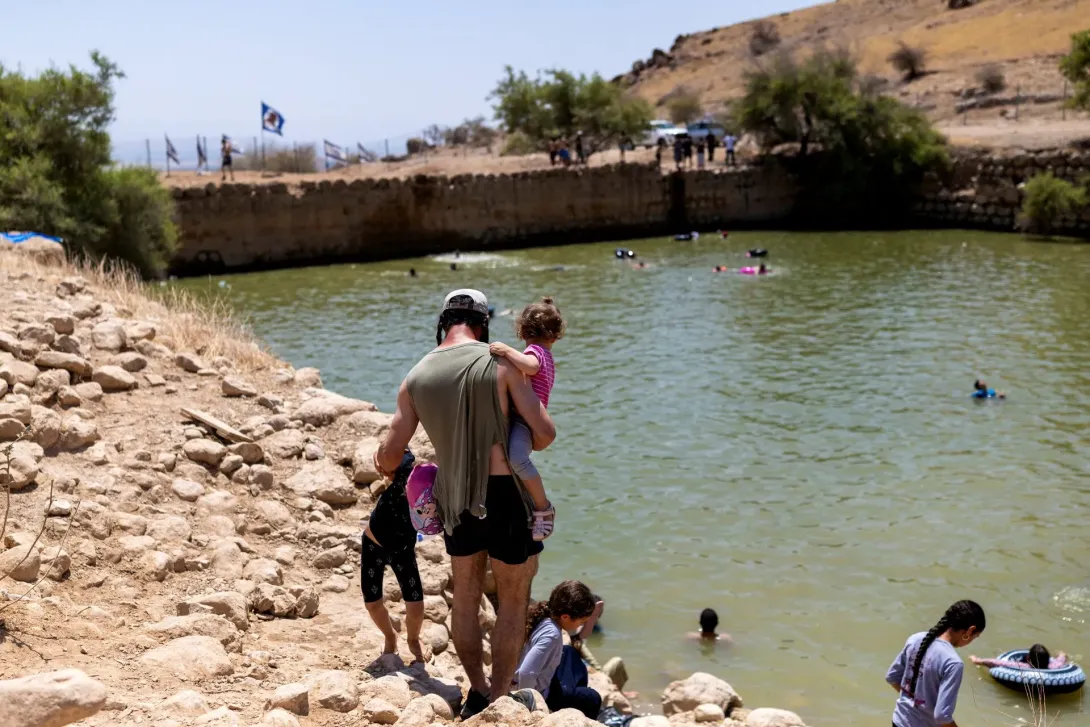
Herod's Pool is a historical site in the West Bank. Israel's development aims to boost tourism, sparking controversy due to its location in occupied territory.
Focal Facts
- Herod's Pool was built in the first century BCE by Herod the Great.
- Israel is currently developing the site to promote tourism.
- The site is located in the West Bank, a disputed territory.
- The development has sparked political controversy.
Full Explanation
What is Herod’s Pool and its historical significance?
Herod’s Pool, a grand construction dating back to the reign of Herod the Great in the first century BCE, is situated in the West Bank. Herod, known for his extensive building projects, constructed the pool as part of a larger complex intended for both relaxation and ceremonial purposes. Over the centuries, it has become a symbol of Herod's architectural prowess and is considered an important archaeological site.
Why is Israel developing Herod’s Pool now?
Israel has started developing Herod’s Pool as part of its broader efforts to boost tourism in the region. This initiative is aligned with plans to leverage historical sites for economic and cultural benefits. By enhancing accessibility and promoting Herod’s Pool, Israel aims to attract tourists and scholars interested in its historical and cultural significance.
What are the controversies surrounding this development?
The development of Herod’s Pool is controversial due to its location in the West Bank, a territory with a complex and contested status. This area is considered occupied territory under international law, and the development could exacerbate tensions between Israelis and Palestinians. Critics argue it may infringe on Palestinian rights and disrupt local communities, potentially escalating political tensions. While Israel views it as a legitimate effort to promote historical preservation and economic growth, Palestinians and international critics often see it as a unilateral move that bypasses necessary political agreements.
How does this fit into the broader geopolitical context?
The West Bank, including areas like Herod’s Pool, is a focal point in Israeli-Palestinian relations. This development can be seen as part of Israel's broader strategy to assert its influence over the region. The geopolitical complexity of the West Bank, marked by its historical significance and demographic diversity, means that development activities are scrutinized for potential implications on the peace process.
What could be the future implications of this development?
The impact of developing Herod’s Pool remains uncertain. While tourism may bring economic benefits, it could also lead to further polarization if not managed with sensitivity to local dynamics and international law. Questions remain over how this development will affect the local Palestinian population and whether it will contribute positively to regional peace efforts. Ongoing developments will require careful monitoring to understand their implications fully.
Focal Verification
Verified through multiple credible sources.
Key Actors
- Herod the Great — Builder of Herod's Pool
- Israeli Government — Current developer of the site
Focal Timeline
- First century BCEConstruction of Herod’s Pool by King Herod
- 2026Current development announcement by Israel
Focal Evidence
Herod's Pool, built by King Herod in the first century BCE, is undergoing development led by Israel. This aims to enhance tourism but raises concerns due to its location in disputed territory. This development is part of broader tourism initiatives in the region.
Gaps in the Record
- Palestinian Authority's approval for development
- Future impacts on local communities
Focal Outlook
- What are the long-term effects of development on local Arab communities?
- Will this increase tensions in the area?
Focal Update
No recent updates have been made since the initial announcement.