UK Autumn Budget offers energy relief as OBR cuts 2027 growth outlook
The package combines household energy relief, higher minimum wages, housing measures and increased defence funding, but the fiscal watchdog expects weak real incomes and slower growth in 2027.
Focal Brief
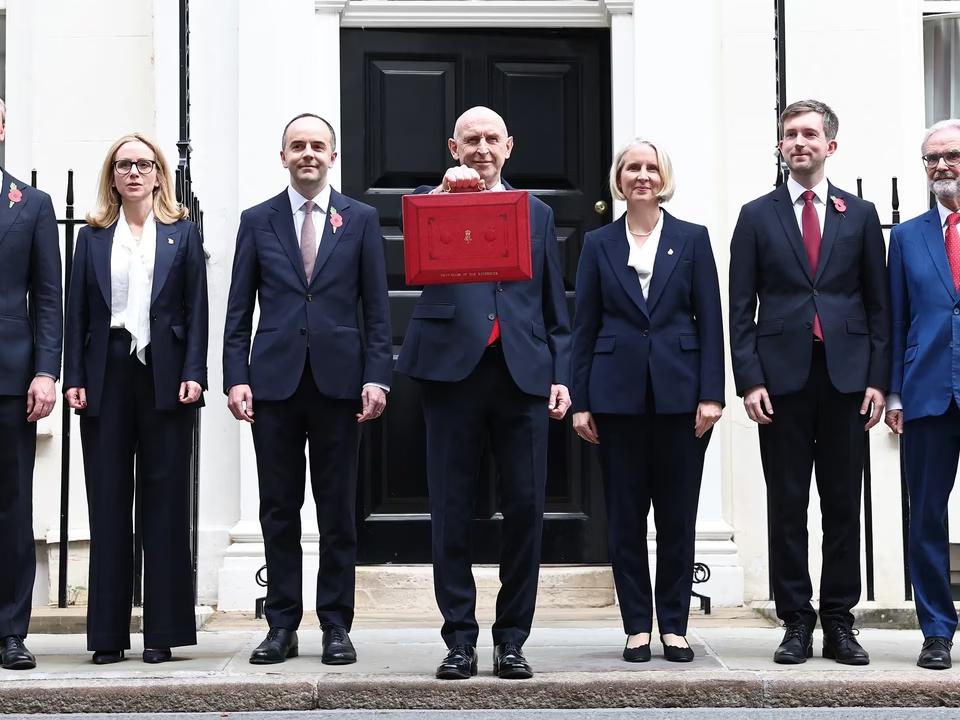
Chancellor John Healey’s October 28 Autumn Budget offered UK households energy-bill support and higher statutory wages while funding defence and housing measures, as the Office for Budget Responsibility cut its 2027 economic growth forecast to 1%.
Focal Facts
- Up to 20 million households will receive a £100 energy payment in 2027.
- The National Living Wage will rise 3.9% to £13.21 an hour on April 1, 2027.
- The bank corporation tax surcharge will temporarily double from 3% to 6%.
- The £15 billion Defence Investment Plan includes £4.7 billion previously unfunded.
Focal Point
The key signal will be whether energy prices follow the decline assumed by the OBR. A sustained shock would further raise inflation, borrowing and pressure on household incomes, weakening the Budget’s promised relief.
The government said households in council-tax bands A to D in England will receive the £100 payment, with funding for similar support elsewhere in the UK. An electricity VAT reduction will run until July 1, 2027, cutting about £50 from the annual price cap in April, according to the Treasury.
The higher bank surcharge will help finance that support. Other measures include a First Time Buyer ISA, an immediate reduction in the Lifetime ISA withdrawal charge to 20%, and £432 million over two years to address rough sleeping.
Defence funding will come partly from reprioritising capital budgets across government. Ministers deferred details of how Britain will reach defence spending of 3% of GDP in 2030 and 3.5% by 2035 until the next spending review.
The OBR expects CPI inflation of about 3.5% in 2027 and no real earnings growth in 2027 or 2028. Economist James Meadway told Al Jazeera the household measures did not match the scale of the cost-of-living pressure. The consequential question is whether the planned relief will arrive quickly enough to offset another year of stagnant purchasing power.