Oleshky truce was a joint diplomatic product, not a single-broker breakthrough
Later evidence shows that both diplomatic tracks mattered: Pope Leo XIV pressed the Russian and Ukrainian presidents for humanitarian access, while Melania Trump’s office helped turn that appeal into an operational agreement.
Overview
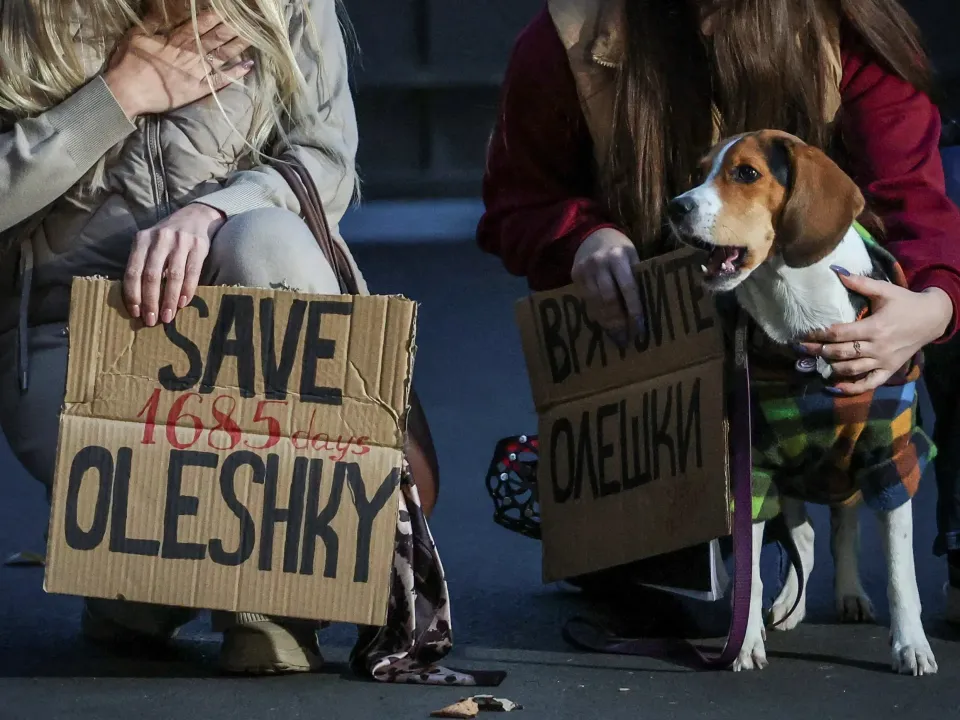
The Oleshky ceasefire is best understood as a layered diplomatic result rather than the achievement of a single broker. Pope Leo XIV supplied public pressure and direct leader-level appeals; Melania Trump’s office appears to have provided the channel for negotiating operational terms. The distinction matters because the truce subsequently enabled aid deliveries and civilian evacuation. Yet the undisclosed negotiating record does not permit a definitive allocation of credit, and success in one locality does not establish a transferable route to a wider ceasefire.
Facts
- The White House announced the agreement on October 23, initially saying the ceasefire would begin on October 29 and describing Melania Trump as the intermediary who aligned its procedures and terms. (whitehouse.gov)
- The truce actually began early on October 27, according to subsequent operational reporting and statements from Russian and Ukrainian officials. It was scheduled to remain in effect through the evening of November 1. (vaticannews.va)
- Pope Leo XIV appealed for a humanitarian ceasefire during an October 16 call with Russian President Vladimir Putin and later discussed Oleshky with Ukrainian President Volodymyr Zelenskyy. (vaticannews.va)
- Aid vehicles entered Oleshky on October 30 after routes were demined. Residents were offered evacuation to Ukrainian- or Russian-held territory, or the option to remain with humanitarian supplies. (apnews.com)
- Evacuees travelling through Russia and Belarus reached Ukrainian-controlled territory on October 31. A final verified evacuation total was not available by November 1. (apnews.com)
The dispute over who “brokered” the Oleshky ceasefire presents a false choice. Available records indicate that the papal and US first-lady channels performed different but potentially complementary functions: one elevated the humanitarian demand at presidential level, while the other worked on the procedures required to stop fire, clear routes, deliver aid and move civilians.
The Vatican documented Pope Leo XIV’s October 16 call with Vladimir Putin, during which he expressed concern about Oleshky and requested a pause for food, medicine and evacuation. It later reported a similar discussion with Volodymyr Zelenskyy. Those interventions establish advocacy and high-level access. They do not, by themselves, disclose who negotiated the ceasefire boundaries, military coordination or movement arrangements. (vaticannews.va)
The White House offered a more expansive account. Its October 23 statement said Melania Trump and her representative worked directly with Russian and Ukrainian leaders on the agreement’s objectives, timing and technical procedures, calling her the “Exclusive Intermediary.” That is an official claim about private diplomacy, not an independently available negotiating record. The statement also set an October 29 start date that was superseded when both sides began observing the ceasefire on October 27. (whitehouse.gov)
Implementation clarifies the mechanism, not the credit
What happened next supports the conclusion that substantial operational coordination had occurred. By October 29, Ukrainian and Russian representatives said the truce was holding while engineers cleared mines from designated routes. On October 30, a convoy of 25 buses, ambulances, trucks and other vehicles entered Oleshky with food and medicine. Officials from both countries participated, and residents were offered a choice between leaving for Ukrainian-controlled territory, travelling to Russian-held areas or remaining in the town. (apnews.com)
On October 31, some evacuees reached Ukraine after travelling through Russia and Belarus. That outcome verifies that the agreement moved beyond announcement into implementation. It does not establish that every intended resident was reached, that all choices were free from pressure, or that assistance will continue after the ceasefire. (apnews.com)
A credible counterargument is that the party handling detailed negotiations deserves the principal credit. If the White House account is accurate, Melania Trump’s team played that role. Another is that papal intervention created the political opening without which technical talks would have failed. Neither proposition can be conclusively tested from public records. Notably, the Vatican credited US mediation as instrumental, while Ukrainian figures publicly thanked both the first lady and the pope. (vaticannews.va)
The bounded judgment is therefore functional rather than ceremonial: Pope Leo helped create pressure and permission for humanitarian action; Melania Trump’s channel appears to have helped assemble the agreement that implemented it. The Oleshky operation demonstrates the value of overlapping diplomatic access, but not the exclusive authorship asserted by either public narrative.
Context / evidence
Oleshky had about 24,000 residents before the full-scale war, while the White House estimated that only 1,700 to 2,000 people, including approximately 50 children, remained before the operation. It cautioned that no formal demographic count had been conducted since 2022. (whitehouse.gov) The attribution debate emerged before the operation’s outcome was known: Al Jazeera reported competing White House and Vatican narratives on October 27, the day the ceasefire began. Later Vatican reporting itself described US mediation involving Melania Trump as instrumental, weakening any simple pope-only interpretation. (aljazeera.com)
Impact
For Oleshky’s civilians, the observed consequences were concrete: mined routes were cleared, food and medicine entered, and hundreds of residents left a town affected by severe shortages and persistent drone danger. (vaticannews.va) The pause also briefly reduced danger in nearby Ukrainian-held Kherson, where residents reported being able to spend more time outside. (apnews.com) Strategically, however, the effect remained localized. Fighting and deadly attacks continued elsewhere, so the operation provided humanitarian access without changing the wider war’s trajectory. (apnews.com)
Outlook
The immediate test is what happens after the ceasefire’s scheduled expiration on November 1: whether access continues, whether civilians who remained receive sustained supplies, and whether either side alleges violations. A second test is replication. Ukrainian ombudsman Dmytro Lubinets said he hoped the model could help other isolated communities, but expansion would require agreed routes, demining, civilian monitors and destination choice in each location. (apnews.com) Any broader claim should therefore be judged by observable follow-on agreements, not ceremonial credit or the mere scheduling of future talks.