Haunted attractions turn vacant urban sites into seasonal neighborhood anchors
Operators are turning vacant stores and industrial buildings into seasonal destinations, but lasting revitalization depends on whether Halloween traffic supports year-round activity.
Focal Brief
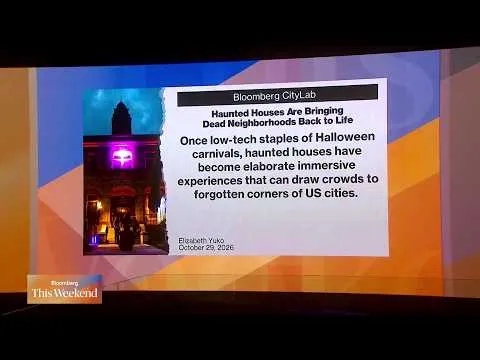
Haunted-house operators in Baltimore, Kansas City and Salt Lake City are repurposing neglected buildings and drawing seasonal crowds, journalist Elizabeth Yuko said in an Oct. 31 Bloomberg interview, highlighting an unconventional role for horror entertainment in neighborhood reinvestment. (snslive.uk)
Focal Facts
- Nevermore Haunt says it acquired Baltimore’s long-vacant Kaufman’s store in 2015. KCUR reported that Kansas City’s Full Moon Productions organizes cleanups and has worked with businesses and the city on infrastructure. Salt Lake City’s Fear Factory occupies a former cement works. (thenevermorehaunt.com)
Focal Point
The decisive signal is what remains after Halloween: new year-round tenants, maintained infrastructure and recurring foot traffic. Kansas City’s experience also shows the tension, as redevelopment can make seasonal attractions appear underused—or price them out of districts they helped popularize. (kcur.org)
Yuko told Bloomberg This Weekend hosts David Gura and Lisa Mateo that haunt operators can become unlikely development partners by improving properties and drawing visitors to overlooked districts.
In Baltimore’s Old Town, Nevermore Haunt says it took over a store that had been vacant since the 1990s. In Kansas City’s West Bottoms, operators were drawn by affordable historic buildings and later undertook maintenance and neighborhood cleanups; restaurants, galleries and event spaces followed, KCUR reported. Salt Lake City’s Fear Factory began converting an abandoned industrial complex in 2011 after extensive cleanup and permitting. (thenevermorehaunt.com)
The cases illustrate adaptive reuse, but do not quantify how much wider investment the attractions caused or whether local residents shared the gains. The next consequential question is whether cities can turn a seasonal surge into durable activity without displacing the attractions—or communities—that created the draw.