How France's Debt Crisis Fueled Student Protests
Examining the intersection of student protests and fiscal challenges in France, revealing deeper economic turmoil and its implications.
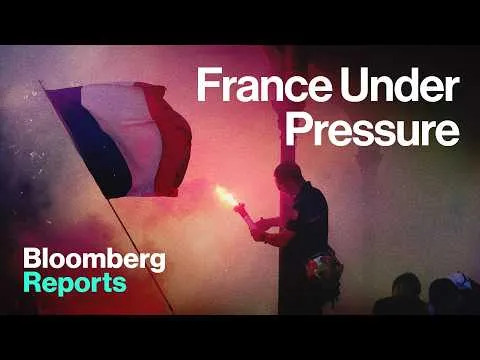
Overview
Student protests in France highlight a debt crisis intertwining with issues of education and fiscal policy, revealing broader economic challenges.
Facts
- France is the European Union’s second-largest economy.
- Student protests in France have spotlighted poor school conditions.
- France is experiencing budget deficits and increasing borrowing costs.
- The protests have not reached the scale of historical events like May 1968.
Main narrative
France's current wave of student protests underscores a multifaceted crisis intertwining economic woes and educational grievances. Though superficially distinct, the demands for improved school conditions unearth a broader economic turbulence rooted in the country's escalating debt crisis.
Economic Underpinnings of the Unrest
The protests have primarily brought attention to the physical disrepair and inadequate conditions in French schools. However, this civic agitation cannot be dissociated from the nation’s economic situation. France, as the European Union’s second-largest economy, is currently beset by budget deficits and a skyrocketing cost of borrowing. These financial strains exacerbate public dissatisfaction and impede the government's ability to address the infrastructural deficiencies that are at the heart of the student protests.
France's fiscal difficulties are partly a consequence of high government spending and the necessity to meet international financial obligations, resulting in an uncomfortable pressure on public services. This situation is not entirely new, but it is now colliding with a fresh wave of civic activism that is not seen as a continuation of past, more influential movements, such as the May 1968 student protests.
Broader Fiscal and Political Implications
The intertwined nature of France's protests and economic challenges suggests a deeper issue of fiscal management that could have wide-ranging implications. As borrowing costs rise, France faces increasing scrutiny from bond markets, raising the stakes for government policy decisions in both the short and long term.
Despite these pressures, it is important to note variations in the level of public support and engagement with protests that focus on educational reform versus those directly targeting fiscal policy. While students and activists argue for better school environments, the underlying economic constraints limit the feasible policy responses.
The European Union might offer some buffers against these pressures through support mechanisms, yet the effectiveness of such measures remains contingent on broader geopolitical and economic conditions, including post-pandemic recovery dynamics and energy policies in the region.
Context / evidence
The European Union's second-largest economy, France, is grappling with rising national debt and student protests over poor school conditions, reflecting deeper systemic challenges. Reliable sources such as Bloomberg have observed connections between fiscal instability and political dissent. The current unrest, while significant, is not on the scale of the iconic May 1968 protests but highlights the stress on France’s public services and economic policy.
Counterpoint / knowledge gaps
Critics argue that while the debt crisis contributes to unrest, the protests' core demands are more focused on education reform rather than direct fiscal policy changes. Additionally, some suggest that the EU's support mechanisms could mitigate immediate financial pressures. More detailed data on the direct impact of debt on public services would further clarify these connections.
Impact
The student protests in France signal potential political volatility with implications for the national economy and public services. The unrest highlights challenges in education funding and broader economic management, which could influence future fiscal policies and affect international perceptions of France's economic stability. Observing how the government balances debt pressures with social demands will be crucial for understanding potential shifts in French and EU economic strategies.
Outlook
If fiscal conditions worsen, protests could intensify, pushing France toward more substantial economic reforms. Key indicators include bond market reactions and government debt management strategies.