Houthi Attacks on Saudi Arabia: Impacts on Security and Oil Markets
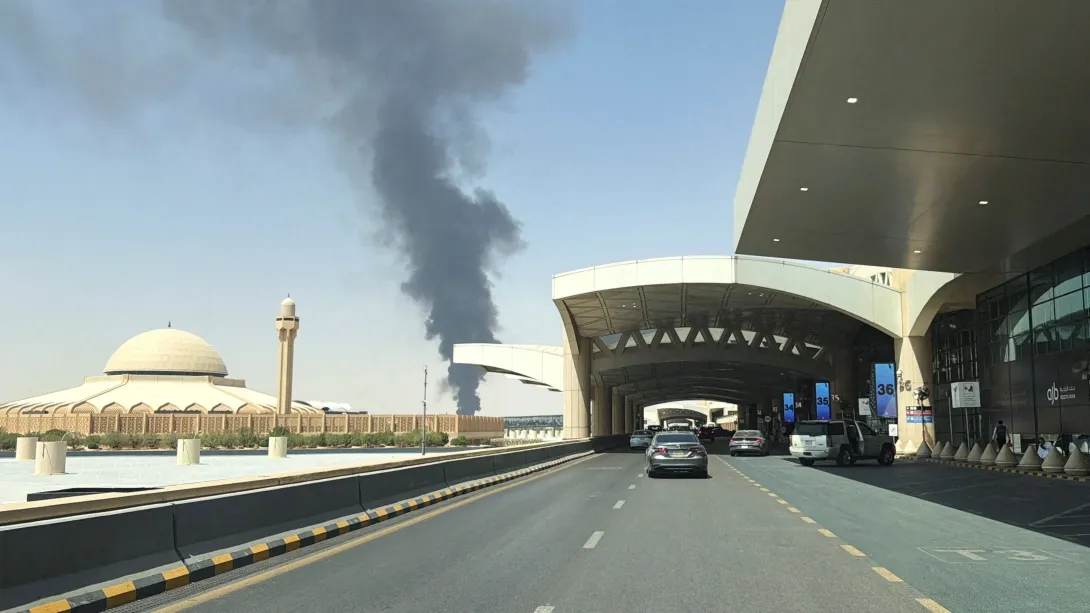
The recent Houthi attack on Saudi Arabia's main airport underscores the ongoing conflict's impact on regional security and global energy markets.
Overview
The resumption of Houthi attacks on Saudi Arabia's main airport highlights escalating tensions affecting regional security and global oil markets. While the conflict risks oil supply disruptions, the resilience of global markets and defensive capabilities may modulate these impacts.
Facts
- Houthi rebels launched an attack on Saudi Arabia's main airport.
- The attack is part of ongoing conflicts involving the Houthis in Yemen and Saudi Arabia.
- Saudi Arabia is a major global oil producer, with its infrastructure occasionally targeted by Houthi attacks.
- Previous Houthi attacks have caused concerns about energy security and oil market stability.
Main narrative
The renewed Houthi attack on Saudi Arabia’s primary airport marks a significant escalation in the ongoing conflict between the Yemeni rebels and the Kingdom. These attacks have broader implications for both regional stability and global economic health, particularly the oil markets.
The Houthis, backed by Iran, have been engaged in a prolonged conflict with Saudi Arabia, who leads a coalition supporting the Yemeni government. This latest assault underscores the group's innovative tactics in evading Saudi defenses, a concern for global energy security given Saudi Arabia's status as one of the world's top oil producers.
Historically, Houthi attacks have led to temporary spikes in oil prices, reflecting fears of broader supply disruptions. The strategic positioning and capability of the Saudi military to counteract these threats are continuously tested, as seen in previous incidents impacting key oil facilities.
This attack is not an isolated incident but part of a pattern that could potentially disrupt the fragile balance of energy supply. As Saudi Arabia continues to exert its military might to protect infrastructure, the resilience of global oil markets will be crucial in offsetting potential shocks. International allies would likely coordinate responses to ensure uninterrupted energy supplies, highlighting the geopolitical ripple effects.
Overall, the situation not only reflects an ongoing struggle for regional dominance but also underscores the intertwined nature of geopolitical conflicts and global economic stability. As such, the effects on oil markets serve as a barometer for the wider implications of the Houthi-Saudi conflict, reinforcing the need for ongoing vigilance and strategic analysis.
Context / evidence
The Houthi rebels' history of targeting Saudi infrastructure is critical in understanding the recurring threat. Sources like Bloomberg provide details on recent developments. Jean-Loup Samaan offers insights into the strategic implications, emphasizing both immediate security concerns and long-term geopolitical shifts. Also, past instances where Houthi attacks led to temporary spikes in oil prices highlight the link between conflict and market reactions.
Counterpoint / knowledge gaps
One credible counterpoint is the argument that while Houthi attacks cause temporary disruptions, they are unlikely to cause sustained disturbances in the oil market. This view suggests that global oil inventories and alternative routes mitigate the impact. Additionally, the response capabilities of the Saudi military to counter such threats could be more effective than presumed. However, verifying these claims would require comprehensive data on Saudi Arabia's defensive adjustments and the international community's oil supply strategies.
Impact
The immediate impact of the Houthi attack involves increased security concerns for Saudi Arabia, potentially prompting shifts in military posture and international vigilance. For the oil market, this adds layers of vulnerability to supply chains, potentially affecting pricing stability. Stakeholders, including governments and energy companies, must prepare for both immediate disruptions and longer-term strategic shifts in energy distribution and alliances.
Outlook
If Houthi attacks persist, they could lead to heightened military responses or negotiations, impacting oil market dynamics. Watch for changes in Saudi defensive strategies or increased international diplomatic efforts.