Huang’s return restores Nvidia’s leadership but deepens its governance crisis
Jensen Huang’s reinstatement restores Nvidia’s founder-led command structure, but the board’s rapid reversal leaves unresolved questions about its independence, export-control oversight and the evidence behind its decision.
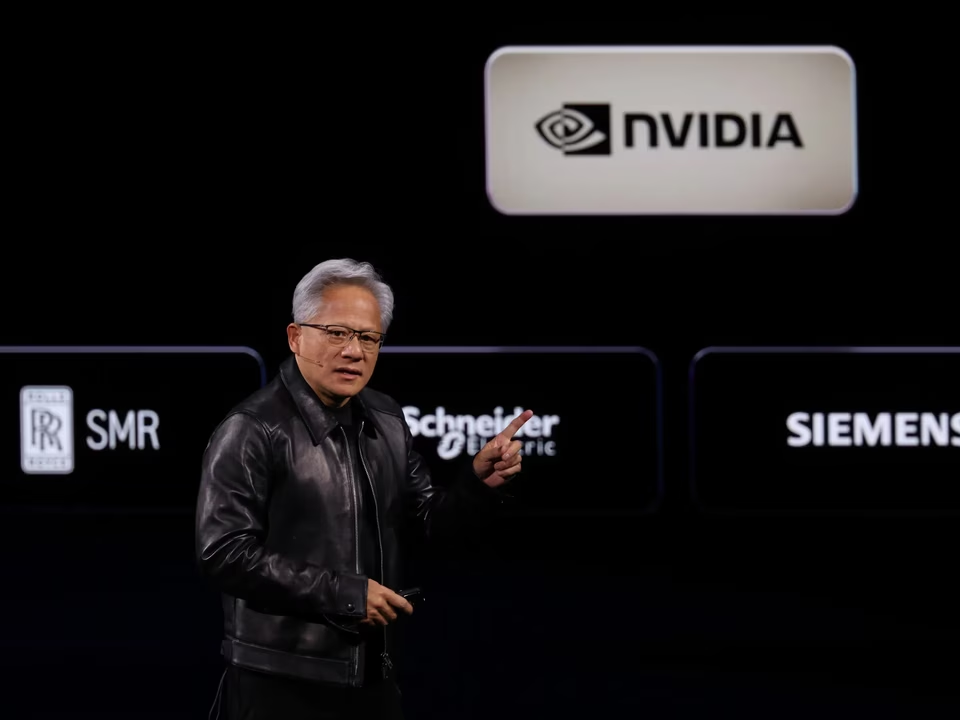
Nvidia has reinstated co-founder Jensen Huang as president, chief executive and a director, ending an 11-day leadership rupture but not the crisis that caused it. The board approved his return on November 22 and disclosed it the following day, saying discussions with Huang had satisfied directors about his candor and capacity to lead. It also said input from senior levels of the United States government gave it confidence that his reinstatement posed no national-security risk. (sec.gov)
The immediate effect is operational continuity. The more consequential effect is a new test of Nvidia’s governance. Directors reversed a succession process they had started only days earlier, restored a dominant founder before their internal investigation had concluded and relied partly on government assurances whose evidentiary basis has not been publicly released. Huang’s return may therefore reduce short-term execution risk while increasing the burden on the board to demonstrate that its decision was independent, adequately informed and compatible with effective oversight.
A reversal faster than the investigation
Nvidia’s board announced on November 8 that independent directors and outside counsel would investigate reports that Huang had been targeted by a foreign intelligence effort. It said then that it had no reason to believe Nvidia secrets or national security had been compromised. On November 11, the board accepted Huang’s resignation and appointed finance chief Colette Kress as interim CEO. (investor.nvidia.com)
The company’s position appeared firmer on November 17. During Nvidia’s earnings call, Kress said Huang’s personal conduct had been inconsistent with company standards, while board chair Harvey Jones said directors did not intend to reinstate him. The board also established a committee focused on national security and export-control oversight. Five days later, it unanimously returned Huang to every position he had left. Nvidia subsequently told Reuters that the independent investigation was still under way. (s201.q4cdn.com)
That sequence does not prove the board acted improperly. New information can justify a changed decision, and the administration’s assessment that Huang was not suspected of criminal or national-security wrongdoing is material. Reuters reported on November 25 that the Justice Department had not opened a formal investigation into Huang and that related investigations into Nvidia customers had found no evidence that he knowingly transferred sensitive technology or acted for China. That finding supports the board’s argument that restoring Huang did not, by itself, create a known security threat. It remains provisional because the related customer investigations continue and the government has not published the underlying evidence. (investing.com)
The narrower government assessment also does not answer every question confronting Nvidia. A conclusion that officials lack evidence of a crime is different from a completed review of board oversight, workplace conduct, export-control compliance or disclosures to investors. The board has not released findings explaining what changed between its public declaration that Huang would not return and its unanimous vote to reinstate him.
Financial strength made restoration easier
Nvidia entered the crisis with substantial operating momentum. For the quarter ended October 25, it reported revenue of $115.8 billion, including $107.6 billion from its data-centre business. Revenue was 103 percent higher than a year earlier, while Nvidia said its Vera Rubin platform had begun shipping. The company projected fourth-quarter revenue of $130 billion, plus or minus 3 percent, while assuming no data-centre compute revenue from China. (sec.gov)
Those results give Nvidia room to absorb leadership disruption and support the case for continuity. Huang remains closely identified with its product strategy, developer ecosystem and relationships with governments and major customers. Reinstatement eliminates the risk of a prolonged external CEO search while the company is managing rapid product introductions and unusually large infrastructure commitments.
Yet the same figures provide a credible counterpoint to the claim that an immediate return was operationally necessary. Nvidia produced its results, communicated its roadmap and maintained its outlook during the interim transition. Much of its execution depends on established engineering, supply, finance and sales organizations rather than one executive. The company’s strength can therefore be read both as a reason to preserve Huang’s leadership and as evidence that the board had time to complete a more transparent process.
Oversight now moves outside the boardroom
Congress will supply the next public tests. Huang has agreed to a transcribed interview with three House committees on December 1, followed by an interview with Nvidia general counsel Tim Teter on December 2. The Senate Banking Committee has scheduled Huang for an open hearing on export controls on December 3. Republican House committee chairs said the reinstatement did not remove questions about chip diversion, Chinese military access and Nvidia’s security controls. (intelligence.house.gov)
Legal exposure also remains. Reuters reported that California and Missouri investigations were continuing, while shareholder litigation challenges the board’s oversight and Nvidia’s past disclosures. California’s inquiry is examining whether confidential information or advanced chips reached China and whether Nvidia misled investors or the public. Investigations and lawsuits establish neither liability nor wrongdoing, but they prevent the board’s vote from functioning as institutional closure. (investing.com)
The near-term outlook consequently divides into two tracks. Nvidia’s commercial engine may continue largely unaffected if product deliveries, customer commitments and senior management remain stable. Its governance position will remain unsettled until the independent investigation produces findings or a clearly explained resolution.
Evidence supporting the board’s judgment would include published conclusions showing that no protected information was compromised, documented improvements to export-control supervision, an empowered independent oversight committee and a credible compliance appointment. Evidence overturning it would include findings that directors lacked material information, that company disclosures were misleading, or that Huang’s conduct created risks not addressed before his return. Until those questions are resolved, Nvidia has restored its chief executive—but transferred much of the unresolved scandal to the board that brought him back.