Hebron businesses assess losses after Israeli operation ends
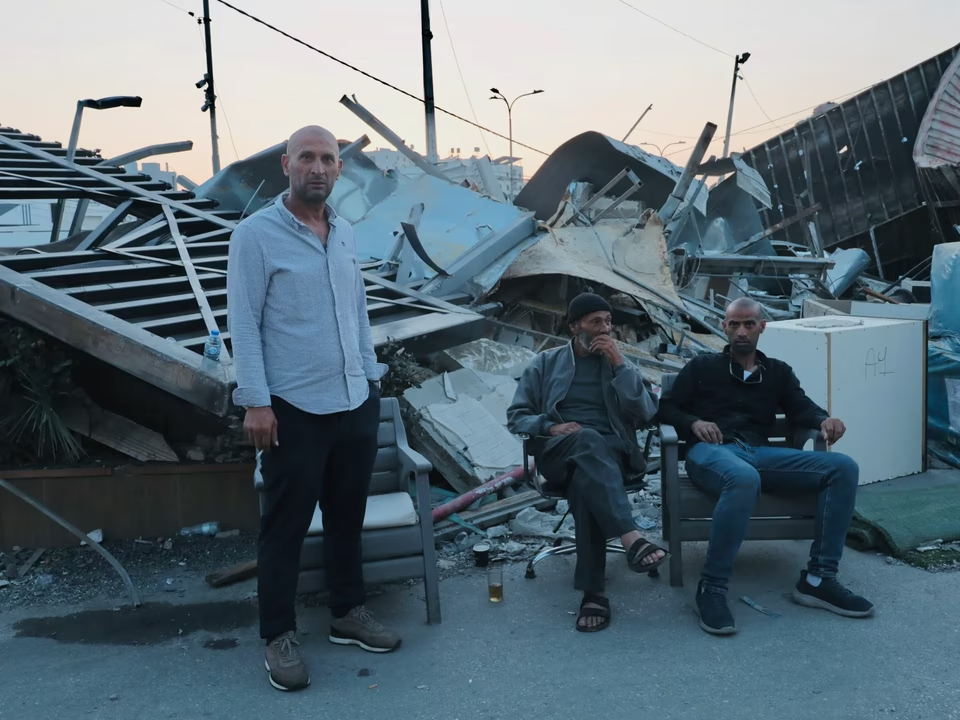
Israeli troops withdrew from Hebron on November 2 after an operation that demolished commercial property, restricted movement and left local businesses facing losses still being assessed.
Focal Brief
Israeli forces ended their Hebron operation on November 2, allowing displaced residents to return while factory and shop owners began assessing damage from demolitions and movement restrictions imposed after a deadly October 23 shooting.
Focal Facts
- The operation followed an October 23 shooting in which two Palestinian gunmen killed two Israeli soldiers; the attackers were also killed.
- Business owner Sufyan al-Qawasmi estimated that 1,300 square metres of his family’s factories and offices were destroyed, causing at least 60 million shekels ($19 million) in losses.
- OCHA said more than 3,000 Palestinians were reportedly displaced, though the figure remained under verification.
Focal Point
The next meaningful signal will be a comprehensive damage assessment separating destroyed property, spoiled stock and lost trade from preliminary estimates issued while businesses remained inaccessible.
Al-Qawasmi told Al Jazeera that Israeli bulldozers destroyed his family’s ceramics and marble factories near the attack site without prior warning, eliminating workplaces that supported more than 70 people. Israel told its High Court that parts of two commercial compounds were demolished without a prior hearing because commanders considered the work urgently necessary; the owners denied any connection to the attack and alleged collective punishment.
The Israeli military described the wider action as a targeted counterterrorism operation involving searches, questioning and weapons seizures. OCHA recorded extensive movement restrictions between October 23 and November 2 and said the full extent of damage and humanitarian needs remained under assessment after families returned.
Local officials estimated direct citywide economic losses at more than 12 million shekels ($3.8 million) per day during the restrictions, while infrastructure damage exceeded six million shekels. Those figures remain municipal estimates rather than a completed independent accounting. The consequential question is how many damaged businesses can reopen—and whether owners receive compensation or reconstruction support.