Google's Nuclear Power Deal with Constellation Energy
Google's agreement with Constellation Energy for nuclear power represents a significant shift in corporate energy strategy, promising a blend of sustainability and energy reliability.
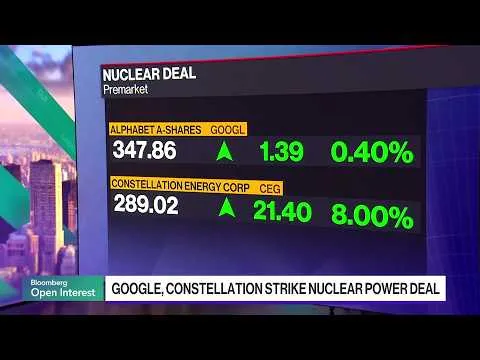
Overview
Google's power purchase agreement with Constellation Energy marks a pivotal integration of nuclear power into corporate energy strategies, positioning it as a sustainable alternative amidst growing climate concerns.
Facts
- The deal involves a 20-year power-purchase agreement (PPA) between Google and Constellation Energy.
- It is valued at over $4.3 billion and includes system upgrades at 11 nuclear reactors.
- The agreement emphasizes Google's commitment to carbon-free energy sourcing.
- Constellation Energy operates one of the largest fleets of nuclear plants in the United States.
Main narrative
Google's recent agreement with Constellation Energy to purchase nuclear power is a landmark decision that signals a potential resurgence of nuclear energy in the broader discussion of corporate sustainability and environmental responsibility. Through this 20-year power-purchase agreement (PPA), valued at more than $4.3 billion, Google aims to transform its energy procurement strategy towards more sustainable, reliable, and carbon-free sources.
The Strategic Move Towards Nuclear
Nuclear power has long been seen as a viable alternative to fossil fuels, offering consistent energy output without the carbon emissions associated with coal or natural gas. This deal with Constellation Energy, one of the leading operators of nuclear plants in the United States, is more than just a financial transaction. It exemplifies a strategic shift in Google's pursuit of diversified energy sourcing to meet its ambitious sustainability goals and drive technological innovation.
The implications of this commitment are extensive: it not only supports the technological advancements necessary for the modernization of nuclear facilities but also signifies a vote of confidence in nuclear power as a cornerstone of future energy policies. The funds earmarked for upgrades to 11 Constellation reactors highlight a dual focus on operational efficiency and environmental stewardship.
Decarbonization and Energy Security
As a tech giant with a vast global footprint, Google's energy consumption is substantial, and its environmental impact is equally significant. The company has consistently sought ways to mitigate this impact by investing in various renewable energy initiatives—solar, wind, and now, nuclear. This diversification is a crucial component of its strategy to achieve net-zero carbon emissions.
Nuclear energy's capability to provide large-scale, steady power generation complements Google's extensive renewable energy portfolio, which, while critical, is sometimes hampered by variability from changes in weather patterns. By integrating nuclear energy, Google increases its energy reliability while staying true to its commitment to sustainability and carbon reduction.
Regardless, the inclusion of nuclear power comes with inherent challenges. Public perception issues—rooted in historical accidents and nuclear waste management concerns—still require careful navigation. Transparency in operations and improvements in reactor safety must be paramount to sway public support.
IMPACT
Google's decision has broader ramifications for the energy sector, encompassing both market dynamics and societal expectations regarding sustainable corporate practices. By elevating nuclear energy's role within its mix, Google sets a precedent that may encourage similar moves by other corporations. This could invigorate investments in nuclear technologies and might inspire regulatory frameworks that focus more keenly on balancing safety with innovative energy solutions.
Context / evidence
The context of rising climate concerns and the need for carbon-free energy solutions strengthens Google's motivation to diversify their energy sources, including nuclear power.
Counterpoint / knowledge gaps
While nuclear energy is more sustainable than fossil fuels, concerns over safety and waste disposal remain significant hurdles.
Impact
Google's shift towards nuclear energy could influence other tech giants to reconsider nuclear's place in their long-term energy strategies, potentially catalyzing more widespread adoption and innovation in the energy sector.
Outlook
The integration of nuclear power in corporate energy plans is likely to grow as companies seek sustainable options to meet their environmental goals.