Gold Rally: Short-Term Opportunity or Market Trap?
Gold's recent rise might signal a short-term opportunity or another market trap. Seasonal trends, alongside other factors, could influence this potential rally.
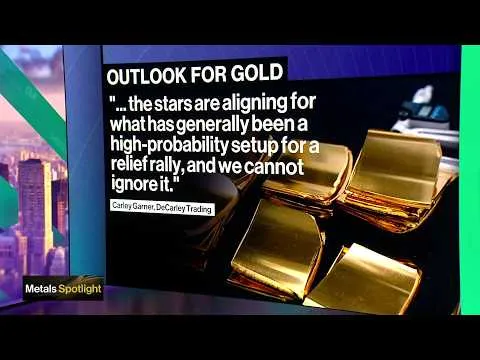
The Argument
Gold's recent price increase, influenced by seasonal trends and correlations with oil and Treasury yields, may offer a short-term rally opportunity, despite long-term bearish views.
Evidence Base
- Gold has recently experienced a price bounce.
- Seasonal trends historically support gold prices in the short term.
- Falling crude oil prices can increase gold's appeal as a safe asset.
- There is a historical correlation between Treasury yields and gold prices.
Context
Carley Garner's insights reflect the intricate dynamics at play in the gold market. Her analysis is grounded in observable economic indicators such as seasonal buying patterns, crude oil price movements, and Treasury yield trends, making her short-term bullish view a subject of interest. The historical review of these factors provides a foundation for understanding the current market context.
Focal Analysis
The notion of a short-term gold rally is gaining attention as various economic indicators align to suggest potential gains in the near future. The key question investors face is whether this recovery represents a substantial market opportunity or is merely another bear market trap. Carley Garner, a respected commodity strategist, argues that while long-term prospects remain bearish, current conditions may indeed favor a temporary rally.
Seasonal Influences and Historical Trends
Gold prices often follow seasonal patterns, typically strengthening in the latter part of the year when demand spikes due to increased buying in preparation for festivals and weddings, especially in countries like India and China. This traditional uptick can drive short-term rallies, despite broader bearish trends.
Moreover, historical data reveals a correlation between gold prices and certain economic conditions such as changes in crude oil prices and Treasury yields. When crude oil prices decline, as they have recently, consumers often pivot towards gold as a safer investment. Garner suggests this trend could repeat, thereby driving a temporary surge in gold prices.
The Crude Oil Factor
Crude oil's movement significantly impacts gold prices due to its effect on inflation and currency values. A drop in oil prices can lead to reduced inflation risks, prompting investors to seek gold as a value-preserving asset. With current crude prices experiencing a downturn, this dynamic is closely watched by traders seeking to capitalize on gold's potential upswing.
Furthermore, declining oil prices can signal economic uncertainty, another factor that traditionally boosts gold's attractiveness. Thus, in the current climate of fluctuating oil prices, traders could find gold a more appealing hedge against volatility.
Treasury Yields and Gold Correlation
Another crucial element in the short-term gold rally argument is the relationship between gold and Treasury yields. Typically, lower yields make non-yielding investments like gold more attractive. Currently, Treasury yields have been volatile, providing room for gold to gain traction as a haven asset.
However, as Garner points out, any rally may be tempered by tightening monetary policies, which could eventually bolster Treasury yields and dampen gold's allure. These dynamics underscore the complexity of the gold market, where multiple factors interplay to influence price movements.
Counterarguments and Broader Considerations
Despite potential short-term gains, several arguments counter the optimistic outlook for gold. Long-term forecasts remain skeptical due to anticipated interest rate hikes and a strengthening dollar, both of which can diminish gold's appeal.
Further, the speculative nature of this rally is evident. Some analysts warn that the current bounce might be a classic bear market trap, where temporary rises lure investors before a steeper downturn. This caution is warranted, considering gold's historical volatility and sensitivity to macroeconomic shocks.
Investors, therefore, need to weigh these factors carefully. While there are tangible indicators of a potential short-term rally, the broader economic landscape suggests caution. A judicious approach, balancing optimism with skepticism, serves investors best in these uncertain times.
Why It Matters
A short-term gold rally could offer tactical trading opportunities. However, investors should remain cautious of long-term downside risks.
What's Next
Watch for upcoming changes in crude oil prices, shifts in Treasury yields, and seasonal shifts in supply and demand to identify gold market movements.