Global Aid Cuts Deepen Humanitarian Strain
Aid cuts by the U.S. and Europe stress the global humanitarian network, risking further destabilization in crisis regions amid growing global challenges.
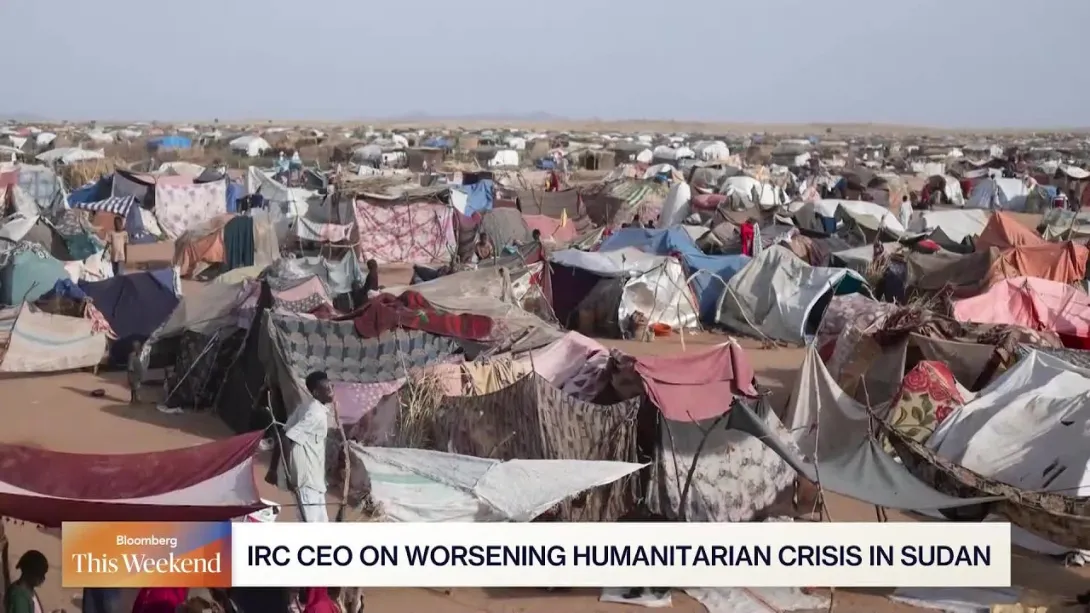
Overview
Recent reductions in humanitarian aid from the U.S. and Europe are exacerbating global tensions, highlighting the fragility of crisis responses in conflict areas like Ukraine, Yemen, and Sudan. As traditional powers scale back their financial commitments, the humanitarian sector faces urgent questions about effectiveness, resource allocation, and potential alternative strategies.
Facts
- David Miliband reported aid cuts from the U.S. and Europe on Bloomberg.
- The International Rescue Committee is focusing on crises in Ukraine, Yemen, and Sudan.
- These regions are experiencing intensified conflicts and humanitarian needs.
- Reducing aid could worsen conditions and delay crisis response efforts.
- AI's potential in humanitarian aid is being debated regarding benefits and risks.
Main narrative
Aid cuts from key international players like the U.S. and Europe are sparking concern across the globe, as voices such as David Miliband of the International Rescue Committee highlight growing humanitarian challenges. Miliband, during his Bloomberg interview, singled out Ukraine, Yemen, and Sudan as critical areas where aid is most needed, yet possibly most strained.
Rising Crisis Demand
These three regions encapsulate the broader humanitarian struggle faced globally. Ukraine, dealing with the throes and aftermath of conflict, requires substantial resources to provide relief and support recovery. Yemen remains embroiled in prolonged turmoil with persistent reports of famine and public health emergencies. Meanwhile, Sudan’s volatile political situation adds layers to its humanitarian needs, complicating an already strenuous delivery of aid.
The retreat of traditional aid donors from these hotspots signals distressing prospects for millions reliant on this support. As aid recedes, challenges such as managing disease outbreaks gain new urgency. Moreover, the cost of inaction or reduced action can propagate instability, further perpetuating cycles of conflict and human suffering.
Exploring Technological Opportunities
While alarming in potential impact, these cuts spur discussions on alternative solutions, particularly the role of technology and artificial intelligence in future humanitarian strategies. AI could offer significant efficiencies in resource allocation, crisis mapping, or predictive modeling of needs. However, these technological solutions must be carefully evaluated to mitigate risks related to data privacy and the marginalization of less technologically accessible communities.
Knowing this, stakeholders must weigh immediate humanitarian needs against longer-term technological integrations. Despite AI’s promise, it is no replacement for the critical, immediate aid that organizations like the International Rescue Committee advocate for.
The debate encapsulated by Miliband’s insights emphasizes a world where adaptability will become essential as traditional aid structures change, and newer methods and collaborations are established to fill growing gaps in humanitarian needs.
Context / evidence
David Miliband, head of the International Rescue Committee, outlined during an interview with Bloomberg the serious repercussions that aid cuts from leading Western nations could have. Historically, the U.S. and Europe have been substantial contributors to global humanitarian missions, funding efforts aimed at mitigating the effects of war, famine, and disease. Current reductions align with broader fiscal pressures and domestic priorities within these regions, highlighting a shift in the global funding landscape. These financial constraints are set against an overarching uptick in global crises, where demand for robust humanitarian responses is greater than ever.
Counterpoint / knowledge gaps
While the reduction in aid is a significant concern, some may argue that increased efficiency or targeted aid could mitigate negative impacts. Additionally, skeptics might point out that countries have diverse fiscal priorities, and domestic issues could justify the reallocation of funds. Notably, what remains uncertain is how regions affected by these cuts will adapt and what alternative strategies might emerge if traditional aid channels are diminished. The success of any mitigation efforts and the role of private sector contributions remain unclear.
Impact
The scaling back of aid by major Western donors is likely to have profound impacts on humanitarian efforts. It may cause a ripple effect, severely affecting crisis management and leading to increased instability in already vulnerable regions. Organizations operating in these areas must strategize rapidly to optimize limited resources, and failure to adapt could exacerbate the suffering of countless individuals in need of urgent assistance. The political implications are also significant, necessitating diplomatic negotiations and the need to explore new alliances and funding sources beyond traditional governmental aid entities. This shift demands a recalibration of international relief efforts to maintain and enhance their effectiveness under constrained circumstances.
Outlook
If the current trends of aid reduction continue, the reliance on nongovernmental organizations and private sectors is likely to increase. Global political shifts and economic considerations may demand innovative funding models and partnerships to address gaps. Monitoring how alternative funding channels develop and how affected regions adjust will be crucial indicators of future humanitarian stability.