Gaza children with sight and hearing disabilities face severe barriers to specialist schooling
Damaged schools, unsafe travel and shortages of assistive equipment are limiting access to specialist education for children with visual and hearing disabilities in Gaza.
Focal Brief
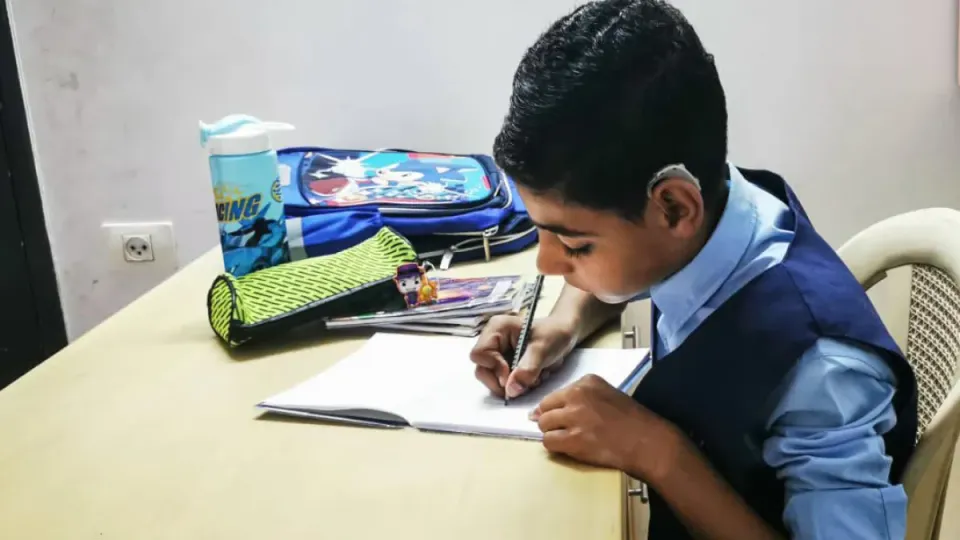
Children with visual and hearing disabilities in Gaza remain without consistent specialist schooling, as damaged facilities, insecurity and shortages of hearing-aid parts, prescription glasses and Braille materials obstruct learning more than three years after the war began. (aljazeera.com)
Focal Facts
- Atfaluna’s Gaza City building was partly destroyed and became a shelter; one temporary programme operates three days weekly for up to two hours daily.
- Al-Noor school, which previously served about 80 visually impaired pupils, was badly damaged and closed, a former counsellor told Al Jazeera.
- OCHA reported 695 temporary learning spaces serving 564,000 children as of mid-October, including 18,985 children with disabilities.
Focal Point
The critical signal is whether accessible temporary classrooms expand alongside reliable supplies of hearing aids, batteries, glasses and Braille equipment—not simply whether overall enrolment in emergency learning spaces rises.
Al Jazeera documented two families whose children lost regular access to specialist instruction after their schools were damaged. Thirteen-year-old Kenan al-Sabaa now attends a temporary Atfaluna learning space for only a few hours each week, while 12-year-old Jana Shreim is taught at home after the closure of al-Noor and the loss of her high-magnification glasses. (aljazeera.com)
The cases reflect broader but uneven disruption. UNICEF assessed in September that the war had caused near-total interruption of education, rehabilitation and other essential services for many children with disabilities. OCHA nevertheless reported that 18,985 children with disabilities were enrolled in Gaza’s temporary learning spaces by mid-October, while about 200,000 children overall still lacked structured learning. (unicef.org)
Some specialist provision has resumed: an UNRWA centre for visually impaired children reopened makeshift classrooms in February for 56 pupils. That response does not establish how many children with sight or hearing disabilities remain excluded. The next consequential question is whether specialist services can expand safely beyond scattered temporary facilities. (unrwa.org)