Feroli says persistent inflation complicates Fed’s return to 2%
JPMorgan economist Mike Feroli said returning inflation to 2% would be difficult, as persistent price pressures divide Federal Reserve policymakers over further rate increases.
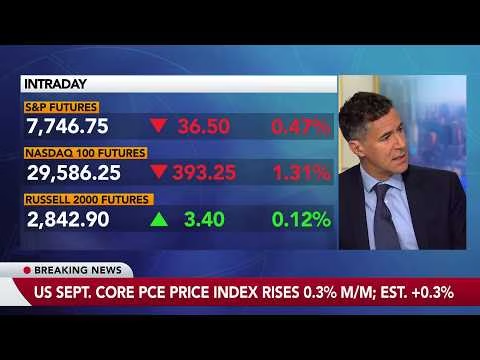
JPMorgan Chief US Economist Mike Feroli warned on October 29 that returning inflation to the Federal Reserve’s 2% goal would be challenging, underscoring the policy uncertainty facing US borrowers and markets after two officials sought another rate increase.
Feroli told Bloomberg Television he was surprised that Fed Governor Lisa Cook favored a quarter-percentage-point increase at the Federal Open Market Committee’s October 27-28 meeting.
The Fed held its benchmark rate at 3.75% to 4% by a 10-2 vote. Cook and Cleveland Fed President Beth Hammack dissented, preferring to lift the target range by 25 basis points. The decision followed a unanimous quarter-point increase in September.
Inflation data explain the divide. The Bureau of Economic Analysis reported that the personal consumption expenditures price index rose 3.6% in the year through September, while the core measure excluding food and energy increased 3.1%. Both remained above the Fed’s 2% objective.
Cook provided further reasoning on November 20, saying financial conditions were too accommodative while inflation remained persistently above target. She argued that resilient economic growth and supportive equity prices risked adding to inflationary pressure. Feroli’s assessment remains an external forecast rather than a Fed policy position.
The focal signal is the split between a majority willing to gather more information and two policymakers seeking immediate restraint. The next major evidence arrives with the October PCE report scheduled for November 25, ahead of the Fed’s December 8-9 meeting: will it strengthen the case for another increase or support an extended hold?