Elice sinks 32% in Kosdaq debut, then hits daily limit
The AI infrastructure provider’s sharp first-day loss was followed by a limit-up rebound, highlighting volatile investor sentiment around capital-intensive AI businesses.
The Lead
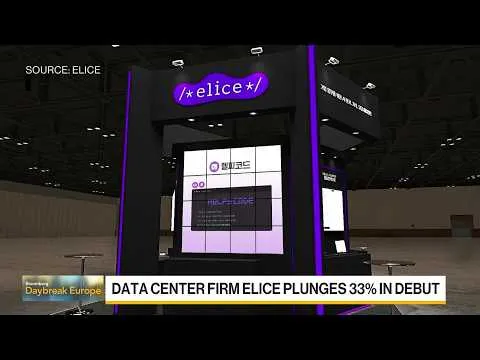
South Korean AI infrastructure provider Elice closed 32.04% below its IPO price on October 20, then climbed by the 29.92% daily limit to 79,900 won in early October 21 trading. Even after the rebound, the shares remained below the 90,500 won offer price.
Key Facts
- Elice raised 201.1 billion won by selling 2.22 million new shares at 90,500 won each, the top of its marketed range.
- The stock opened at 75,700 won on October 20, fell as low as 56,500 won and closed at 61,500 won.
- Retail subscriptions were about 408 times the available allocation, according to ChosunBiz, with deposits exceeding 10 trillion won.
Article Body
Elice’s weak debut contrasted with heavy demand before the listing. Institutional orders were nearly 389 times the shares offered, while the company priced the deal at the top of its range. The stock nevertheless opened 16% below that price and briefly traded about 38% lower before recovering part of the loss by the close.
Founded as an AI education platform operator, Elice has expanded into GPU cloud services, data-center infrastructure and corporate AI transformation products. The company has said the offering proceeds will support additional AI infrastructure and overseas expansion.
The listing arrived as investors were becoming more selective about businesses requiring large upfront spending on computing capacity. Reuters reported that several other data-center-related listings had been paused or withdrawn amid concerns about borrowing costs and investment returns. Elice’s rapid rebound complicates the first-day verdict but does not erase the valuation test: can the company turn its new capital into durable growth and returns quickly enough to regain the offer price?
What to Watch
The decisive signal is whether Elice can hold its second-day rebound and reclaim the IPO price. Until then, the reversal points more clearly to intense supply-and-demand volatility than to a settled reassessment of the company’s valuation.