Documentary renews scrutiny of Cass Lake Superfund cleanup
Hunterbrook Media’s documentary combines archival footage and health-data analysis as federal agencies, the Leech Lake Band and International Paper continue addressing contamination at the St. Regis site.
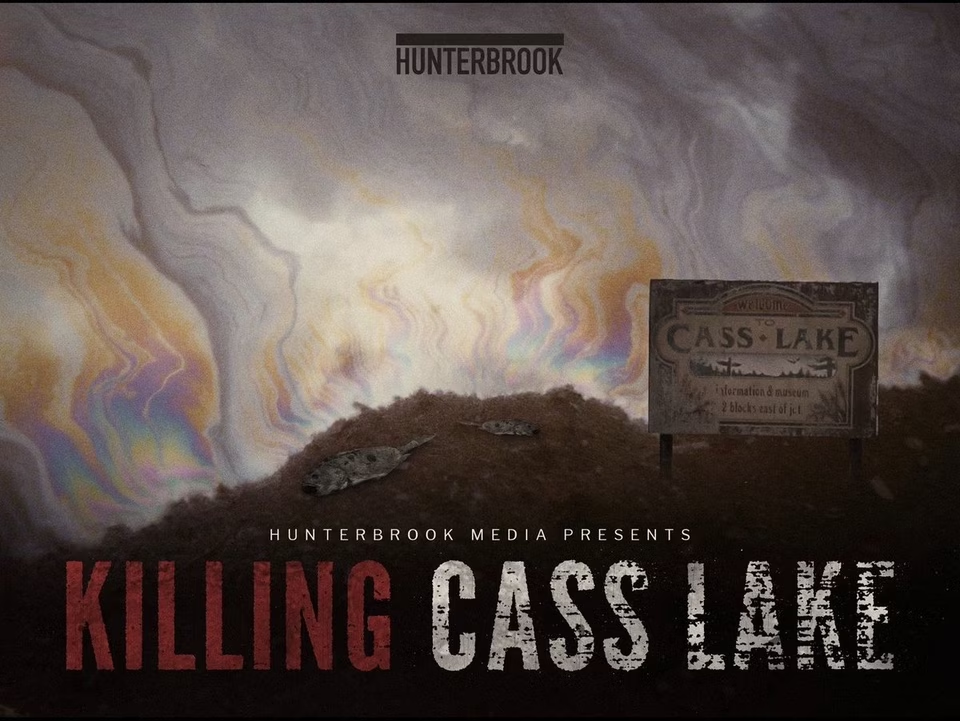
Hunterbrook Media released Killing Cass Lake on October 26, using previously unseen footage and new reporting to examine the Leech Lake Band of Ojibwe community’s decades-long struggle over contamination from a former Minnesota wood-treatment plant. (hntrbrk.com)
The St. Regis Paper Company site was placed on the federal Superfund National Priorities List in 1984 after operations using creosote and pentachlorophenol contaminated soil and groundwater. International Paper later acquired Champion International, St. Regis’s successor, and remains a potentially responsible party in the cleanup.
Hunterbrook said its analysis of Minnesota death records from 2011 through 2024 found life expectancy in Cass Lake was 17 years below the statewide average and that half of residents died before age 65, compared with about one-fifth statewide. The newsroom cautioned that the population-level findings cannot prove the site’s toxins caused any individual death. It said International Paper did not answer its requests for comment. (hntrbrk.com)
International Paper told investors separately that it was performing remedial work and cooperating with the Environmental Protection Agency, reporting an estimated $47 million liability for the site as of September 30, 2026. (sec.gov) EPA records show construction is not yet complete; soil sampling began in residentially zoned areas in July 2026, and the agency plans a five-year-review addendum in late 2027. (cumulis.epa.gov)
The key policy test is whether that sampling produces a revised remedy and enforceable timetable that address the Band’s continuing concerns about groundwater migration and community exposure.