Data Centers Face Political Blowback in 2026 Elections
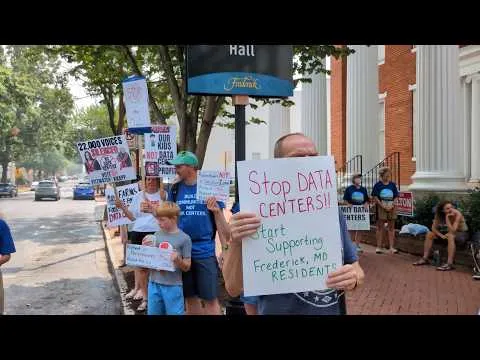
As public opposition to data centers intensifies, candidates in the 2026 midterm elections are confronting a new political battleground.
Overview
The opposition to data centers has rapidly evolved into a prominent issue in the 2026 midterm elections, reflecting deep public concerns about environmental and energy impacts. This shift in campaign focus underscores a widening gap between technological advancement and public acceptance.
Facts
- Data centers are integral to supporting the infrastructure for artificial intelligence.
- Public backlash against data centers includes concerns about environmental impact and energy consumption.
- The 2026 midterm elections see data center opposition as a significant campaign issue.
- Both political parties are addressing the rising opposition in their platforms.
- Data centers consume substantial electricity and water resources.
Main narrative
Data centers have emerged as a focal point in the 2026 midterm elections, with public opposition becoming a significant campaign issue. As these centers form the backbone of the rapidly growing artificial intelligence sector, they are central to both the economic promises and environmental challenges facing candidates. The surge in public opposition is rooted in concerns over the significant resources these facilities consume—namely, electricity and water—which many argue exacerbate environmental degradation.
Environmental Concerns and Political Reactions
Data centers require enormous amounts of power to function, often drawing electricity from non-renewable sources, which raises questions about sustainability and the carbon footprint of technological infrastructure. Additionally, the water usage in cooling systems further strains local resources, especially in regions facing drought conditions. These environmental impacts have galvanized public sentiment against unchecked data center expansion, pressuring politicians to incorporate these issues into their platforms.
Candidates on both sides of the aisle are navigating this issue, crafting policies that promise to balance technological growth with environmental stewardship. Some propose stricter regulations on data center operations or incentives for greener technologies, while others stress the economic benefits and job creation associated with data center operations, arguing for a more tempered approach.
Economic Stakes in the Balance
Amidst this debate, the economic implications cannot be ignored. Data centers drive technological advancement and economic growth, providing crucial infrastructure for innovations in AI. Regions hosting these centers often experience job creation and increased local revenue. However, opponents argue that these benefits are overshadowed by environmental costs and believe more sustainable practices could be adopted without hindering technological progress.
The political discourse is further complicated by the fact that voters' opinions on data centers may be influenced by local economic dependencies or environmental conditions. Thus, the election outcomes could have significant ramifications for both national technology policy and local regulatory measures, potentially affecting future AI industry trends and data center construction.
Context / evidence
Data centers are known to consume vast amounts of electricity and water, exacerbating environmental concerns. The growing AI industry relies heavily on these centers, making them critical to technological progress. This has led to a tension between economic development and environmental stewardship, as reflected in the public's apprehension. The increasing visibility of data centers' impact has pushed this subject into the political arena, especially as communities near data centers express their concerns through political channels and media coverage.
Counterpoint / knowledge gaps
While public opposition to data centers is growing, there is a lack of comprehensive studies detailing their exact environmental and economic impact. Future consensus could shift as more data becomes available, potentially altering the political landscape. Understanding local versus national sentiment is another gap, as reactions may vary significantly across different regions, reflecting varied local dependencies on data center operations.
Impact
The increased scrutiny on data centers could lead to tighter regulations, impacting how companies plan their infrastructure. This may slow AI development temporarily but could also spark innovation in sustainable technologies, potentially reshaping the industry. Politicians addressing this issue may either gain support from environmentally conscious voters or face opposition from those prioritizing economic growth and tech advancement. Local communities could see changes in employment dynamics depending on policy outcomes, especially in regions hosting significant data center operations where job dependency is high versus areas suffering from environmental stressors linked to these facilities' presence.
Outlook
As the midterms approach, watch for potential policy proposals from candidates that address environmental impacts, local economies, and infrastructure needs. The outcome will likely influence future data center regulations and AI industry growth.